Image for Temporary Email for Quick Verification


Temporary email services provide disposable email addresses perfect for one-time verifications. They shield your primary inbox from spam, marketing emails, and potential data breaches during sign-ups. These tools are fast, free, and require no personal information, offering a simple layer of digital privacy for everyday online activities.
Imagine you’re at a crowded train station and someone asks you for a quick favor, like holding a bag for a moment. You do it, it’s done, and you move on. You wouldn’t hand over your own wallet or passport for that task, right? A temporary email works the same way for your digital life. It’s a disposable, short-lived email address you can use for a specific, low-stakes purpose and then discard without any consequence to your primary, personal email account.
These services generate a random email address on their domain (like [email protected]) that you can use immediately. You don’t create an account; you simply visit the website, an address is provided, and you use it. Any emails sent to that address appear in a public inbox on the same website, accessible only to anyone who has that exact, random address. Once the inbox is closed or the address expires (usually within a few hours to a couple of days), everything is gone. It’s a digital “use and toss” tool.
The magic of a temporary email for quick verification is its stunning simplicity. There are no complex setups. Here’s the step-by-step reality of how you use it in under 30 seconds:
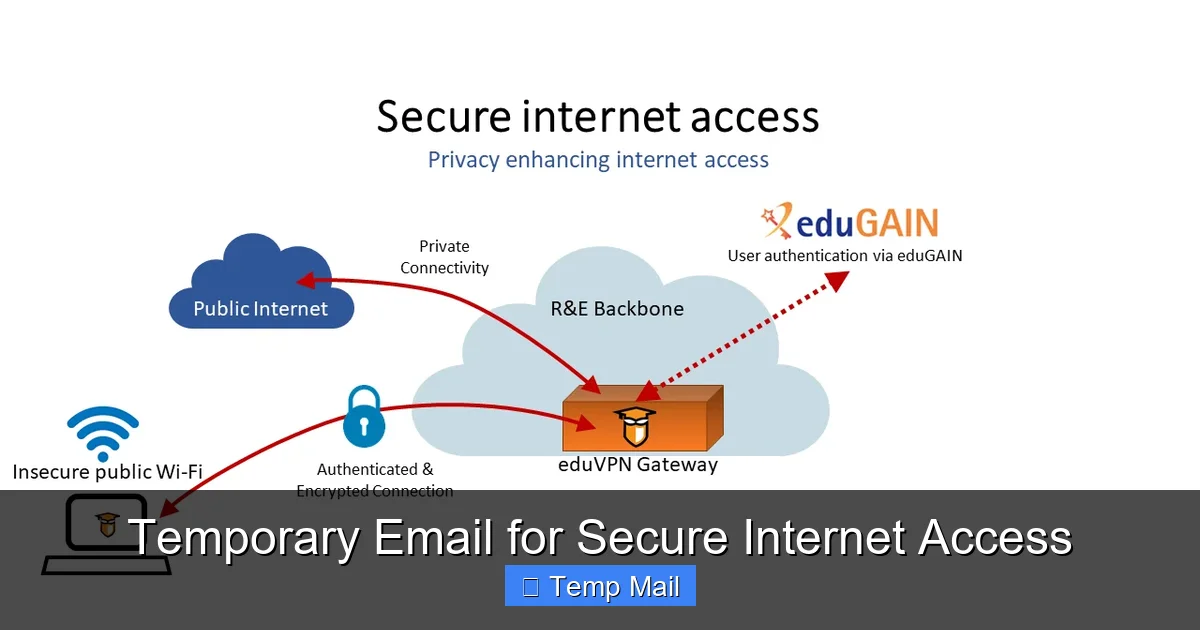
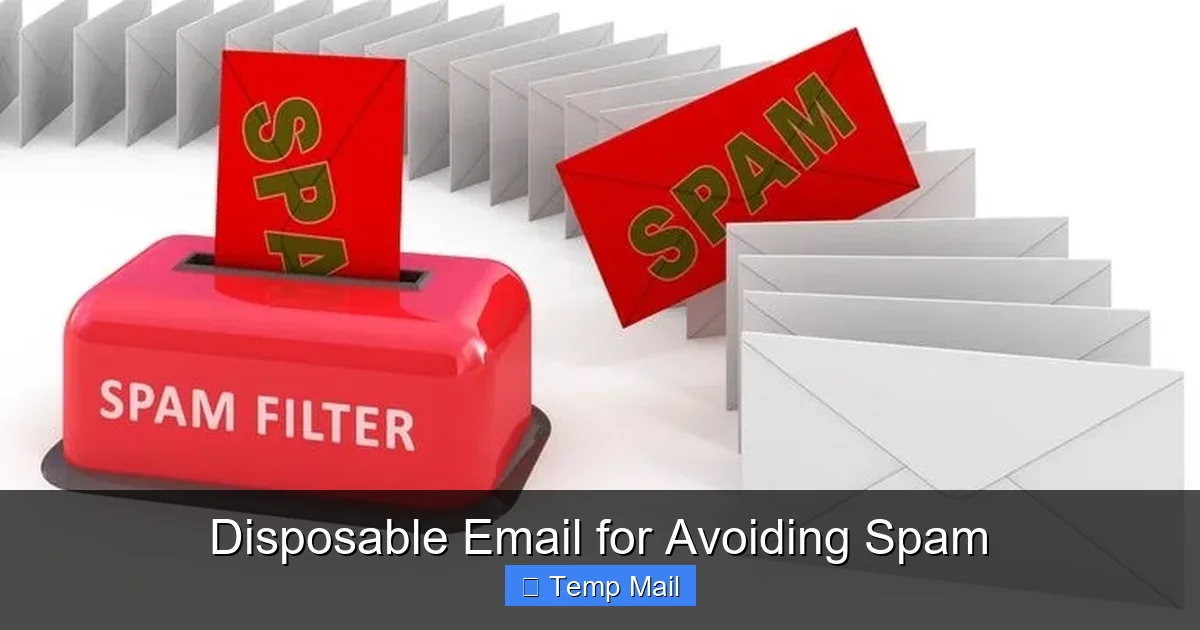
Visual guide about Temporary Email for Quick Verification
Image source: maileroo.com
That’s it. No password to set, no username to remember, no security questions. The entire process is designed for frictionless, one-off interactions.
Using your primary email address for every random website is like using your Social Security Number to get a free sample at a grocery store. It’s an unnecessary risk. A temporary email provides critical advantages.
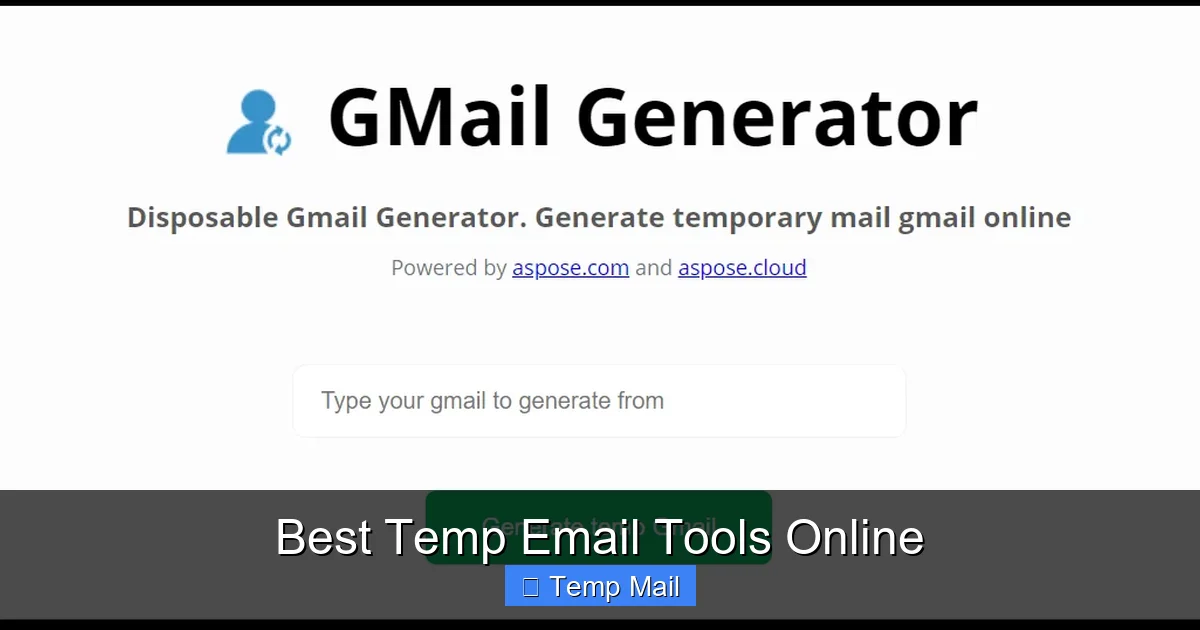
Visual guide about Temporary Email for Quick Verification
Image source: docs.telerik.com
Every time you give your real email to a new service, you’re trusting them with your contact info. Many sell email lists to advertisers or get hacked, flooding your inbox with phishing attempts and unwanted newsletters. A disposable address acts as a perfect spam sponge. All that unwanted traffic hits a dead-end inbox that self-destructs, leaving your primary account pristine.
In 2023, billions of records were exposed in data breaches. Your email is a golden key for hackers—it’s often the username for other accounts and a vector for password resets. By never giving your real address to sketchy or low-trust sites, you remove that key from their potential breach. It also stops companies from building a detailed profile of your online behavior across multiple services.
Think about a forum you joined once to ask a question, a webinar you attended, or a whitepaper you downloaded. You likely never intended to engage with that brand again. Yet, their emails will keep coming for years. With a temporary email, there’s no subscription to cancel. The address vanishes, and so does the obligation. No mental load, no clutter.
Not all email needs are created equal. A temporary email for quick verification shines in specific, common scenarios. Here are the prime situations where it’s not just helpful, but the smartest choice.
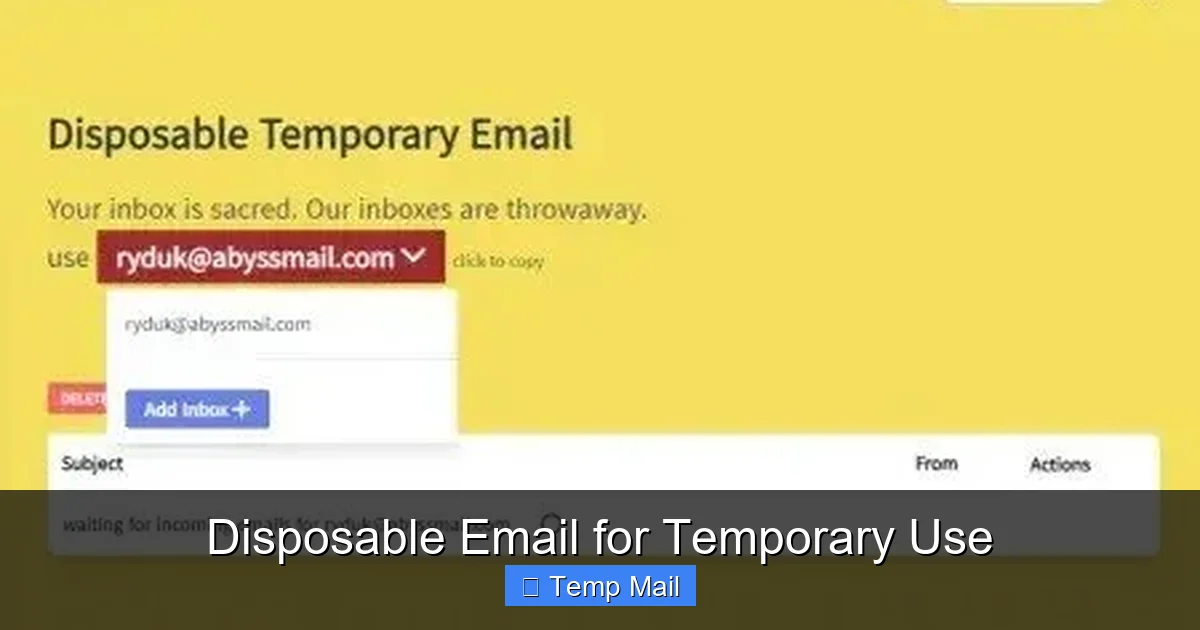
Visual guide about Temporary Email for Quick Verification
Image source: pecconsult.com
You want that free ebook, template, or industry report. The website asks for your email to send it. Is this a trusted company you do business with? If not, use the temp mail. You get the file instantly via the disposable inbox, and you never hear from them again. It’s a fair exchange: your temporary contact for their valuable content, with no long-term strings attached.
You have a burning question on a niche forum or want to leave a comment on a news article. These platforms often require an account. Creating a full account with your main email for a single interaction is overkill. A temp address lets you participate, get the verification link, and never look back.
Are you a developer, QA tester, or just a curious user wanting to see how a new app’s onboarding works? Use a temporary email to create as many test accounts as you need without polluting your real inbox with automated welcome sequences and product update emails.
Some free trials or basic service tiers require an email for immediate access. Instead of using your main address for a service you might try once, a disposable address lets you evaluate it risk-free.
Not all temporary email services are built the same. While they all share the core disposable function, some features make one more user-friendly than another. When selecting your go-to tool, consider these factors.
A good service will automatically refresh your inbox every 10-30 seconds to show new emails without you having to manually reload the page. Some even offer browser notifications. This is crucial for the “quick” in quick verification—you shouldn’t be stuck refreshing.
How long does the inbox last? 10 minutes? An hour? 24 hours? For most verifications, 1-2 hours is plenty. Some advanced services let you choose a custom domain or even a specific username prefix (e.g., [email protected]), which can be helpful for organizing multiple temporary tasks.
Some providers allow you to open multiple, separate inbox tabs in the same browser window. This is powerful if you’re verifying multiple accounts at once (e.g., signing up for several tools in a workflow). Each tab has its own random address and inbox, keeping things perfectly separated.
Many free services are ad-supported. Look for a provider where ads are present but not intrusive or malicious. Avoid sites with pop-ups, misleading download buttons, or aggressive ad placements. A clean, minimal interface is a sign of a reputable service.
Using a temporary email is simple, but using it wisely requires understanding its boundaries. Following these practices ensures you get the benefits without unexpected headaches.
The rule of thumb: if the email you receive will only be useful for the next 10 minutes (a verification code) or the content itself is the only deliverable (a PDF), use temp mail. This includes account creation for tools you’re trying out, downloading resources, and accessing one-time promotions.
This cannot be stressed enough. Never, ever use a temporary email for:
For maximum organization, create a dedicated secondary email address (like [email protected] or [email protected]) using your main provider. Use this for all online shopping, newsletters, and forum sign-ups you might want to keep. Use the temporary email for everything else—the truly disposable interactions. This creates a perfect two-tier system for your digital life.
The concept of a temporary email is a direct response to the broken state of email privacy online. It’s a tool for the individual to reclaim a tiny piece of control. While not a silver bullet for all digital privacy woes, it is one of the easiest, most effective weapons against inbox pollution and data over-sharing.
By adopting the habit of asking “Is this email address worth my primary inbox?” before every sign-up, you build a powerful reflex. You treat your main email like your home address—you wouldn’t give it to every stranger you meet. You use a temporary, public address instead. This simple shift dramatically reduces your digital footprint, minimizes your exposure to spam and phishing, and keeps your important communications clear and secure. In an age of constant data harvesting, the humble temporary email for quick verification is a quiet act of resistance and a cornerstone of smarter, safer browsing.
Yes, it is completely legal. These services operate within data protection laws. Safety depends on the provider’s security practices. Reputable services don’t log your IP or activity, and since addresses are random and public, there’s no personal data to steal. The main risk is using it for important accounts where you need long-term access.
Often, yes. Many websites maintain lists of known disposable email domains and will block sign-ups from them. This is a common anti-spam and fraud measure. If a site rejects your temp address, you’ll need to use a different one or your real email. It’s a cat-and-mouse game between providers and blockers.
It varies by provider, but most last between 1 hour to 48 hours. Common lifespans are 10 minutes (for extreme speed), 1 hour, or 24 hours. The inbox is automatically deleted after the time limit, and the email address is recycled for another user.
They are permanently deleted and unrecoverable. The email address is then reassigned to a new, random user. This is why you must complete any verification process while the inbox is active. Never rely on a temporary email for any communication you might need later.
No. The entire point is anonymity and speed. You simply visit the website, a random address is generated for you, and you use it. There is no username, password, or personal information required to access the inbox for that session.
Most free temporary email services are receive-only. They are designed for you to get a verification link or code, not to send emails. Some premium or advanced services may offer limited sending capabilities, but for standard quick verification, you only need to receive.
অনলাইন নিউজপেপার থিম। এই থিমটি দিয়ে আপনারা বাংলা এবং ইংরেজি নিউজপেপার সাইট তৈরি করতে পারবেন । বার্তা ও বাণিজ্যিক কার্যালয়: ৭১, মতিঝিল, ঢাকা-১০০০। সম্পাদক : মো আসাদুজ্জামান আমানউল্লাহ । মোবাইল : ০১৭০০-০০০০০০ । ইমেইল : [email protected] ।
All rights reserved © 2019 themesdealer.Com