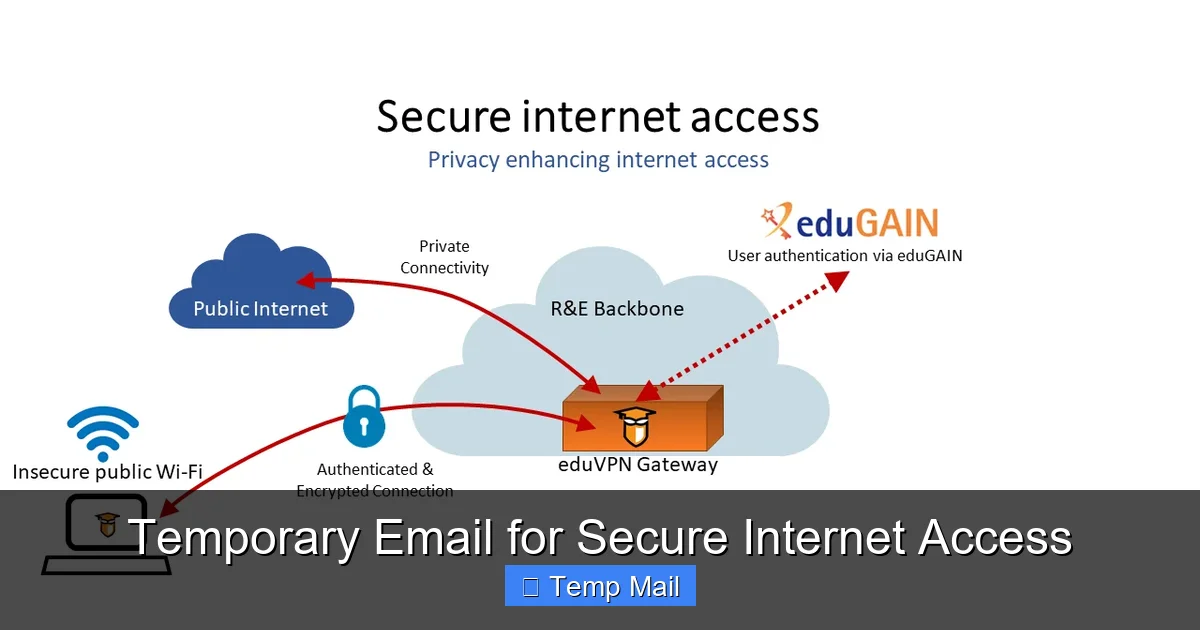
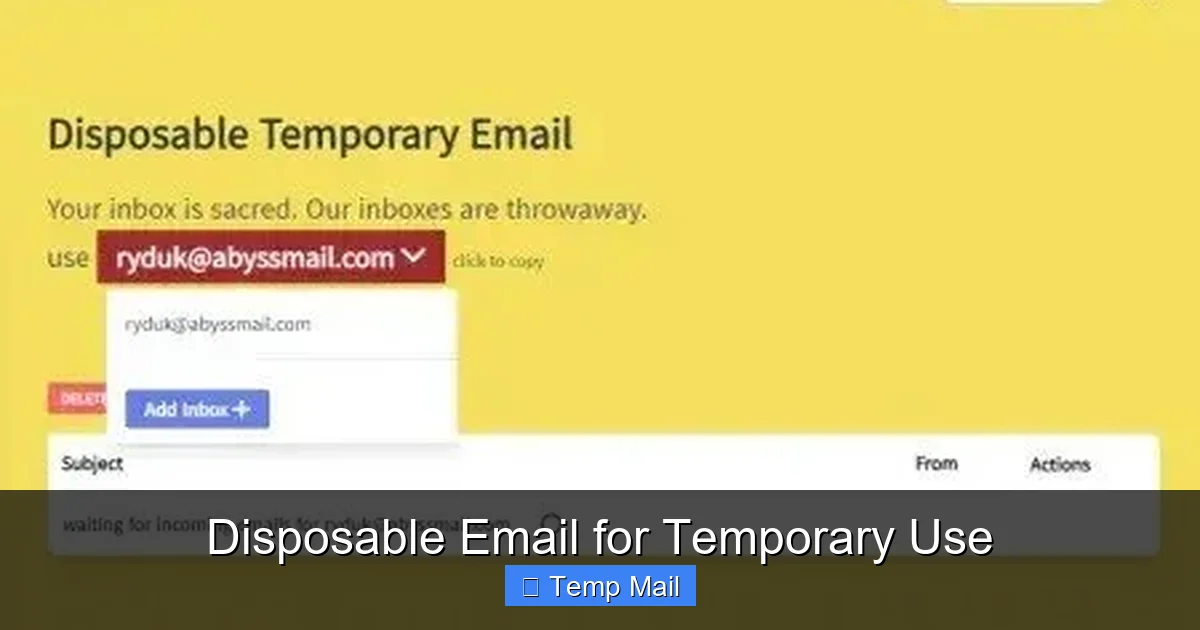
Image for Best Temp Mail Platforms for Anonymous Signups



Temporary email services provide disposable inboxes for signing up on websites without using your personal email. They’re perfect for avoiding spam, protecting privacy, and accessing gated content. Not all temp mail platforms are equal—we review the top options based on reliability, security, and ease of use. Use them wisely for one-time signups, but never for critical accounts like banking or official services.
Let’s be honest: your email address is a digital fingerprint. Every time you use it to sign up for a newsletter, a free game, or a forum, you’re handing over a piece of your identity. Companies harvest these emails for marketing, data brokers sell them, and a single data breach can flood your primary inbox with spam or worse. This is where temporary email platforms—often called temp mail or disposable email services—become your first line of defense.
Imagine you want to download a whitepaper that requires an email. Or you’re testing a new SaaS tool with a freemium plan. Do you really want your real inbox cluttered with promotional emails for the next five years? Of course not. A temp mail gives you a burner address that self-destructs after use. It’s like using a public library computer instead of your personal laptop for a quick search—no traces left behind.
But choosing the wrong temp mail service can backfire. Some inboxes expire in 10 minutes, just as you’re trying to verify your account. Others are so flooded with ads they’re unusable. And many popular temp domains are on the permanent blacklists of major platforms like Facebook or Google, blocking your signup attempt entirely. That’s why we did the legwork. This guide cuts through the noise to reveal the best temp mail platforms for truly anonymous signups, balancing reliability, privacy, and user experience.
Before we dive into platforms, understanding the mechanics helps you use them smarter. Temp mail isn’t magic—it’s a straightforward technical process.

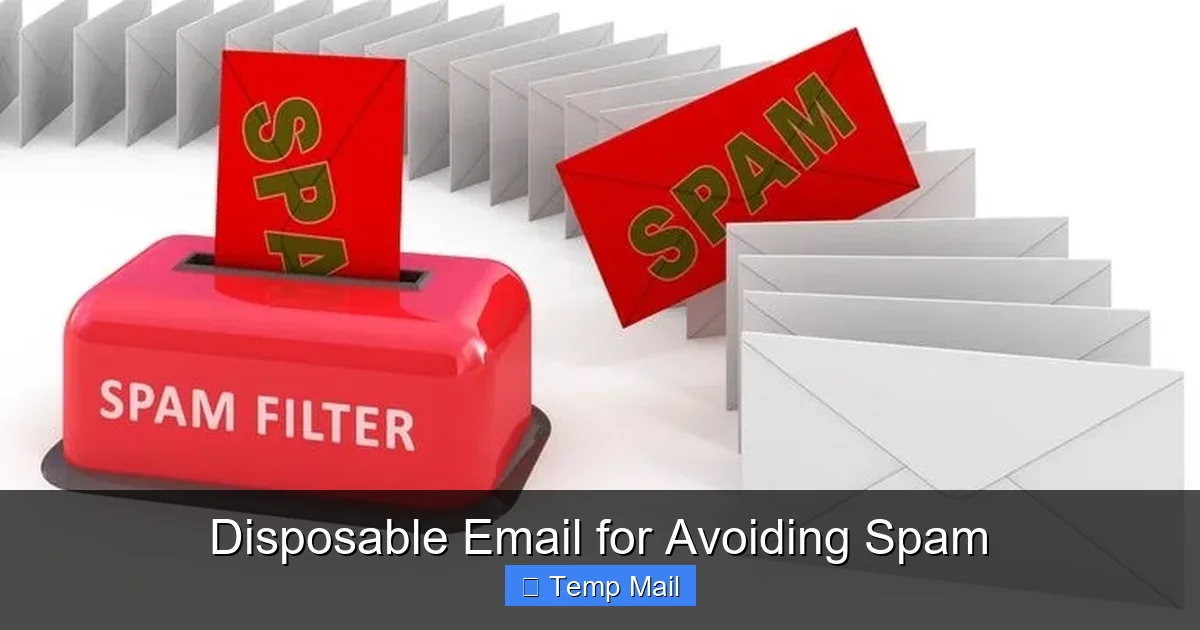
Visual guide about Best Temp Mail Platforms for Anonymous Signups
Image source: mma.prnewswire.com
When you visit a temp mail site like Temp-Mail.org, the server instantly generates a random email address (e.g., [email protected]). This address is tied to a temporary inbox stored on their server. Any email sent to that address is routed to that inbox, which you can access via the website’s interface. No password is required because the inbox is linked solely to that unique, random address string.
The lifespan varies. Some services delete the inbox after 10 minutes of inactivity. Others keep it alive for 24 hours or even 7 days. Once the timer expires or the inbox is manually cleared, the email address is purged from the system forever. The key is: there’s no permanent record linked to you personally. The service doesn’t ask for your name, phone number, or recovery email. That’s the anonymity.
A common misconception is that temp mail makes you invisible online. It doesn’t. Here’s the reality:
Think of temp mail as anonymizing the message carrier, not the messenger. You’re still “visiting” the website from your location, but you’re leaving a fake return address.
After testing dozens of services for inbox longevity, delivery reliability, ad intrusiveness, and bypassing blacklists, these five consistently outperformed the rest for anonymous signups.

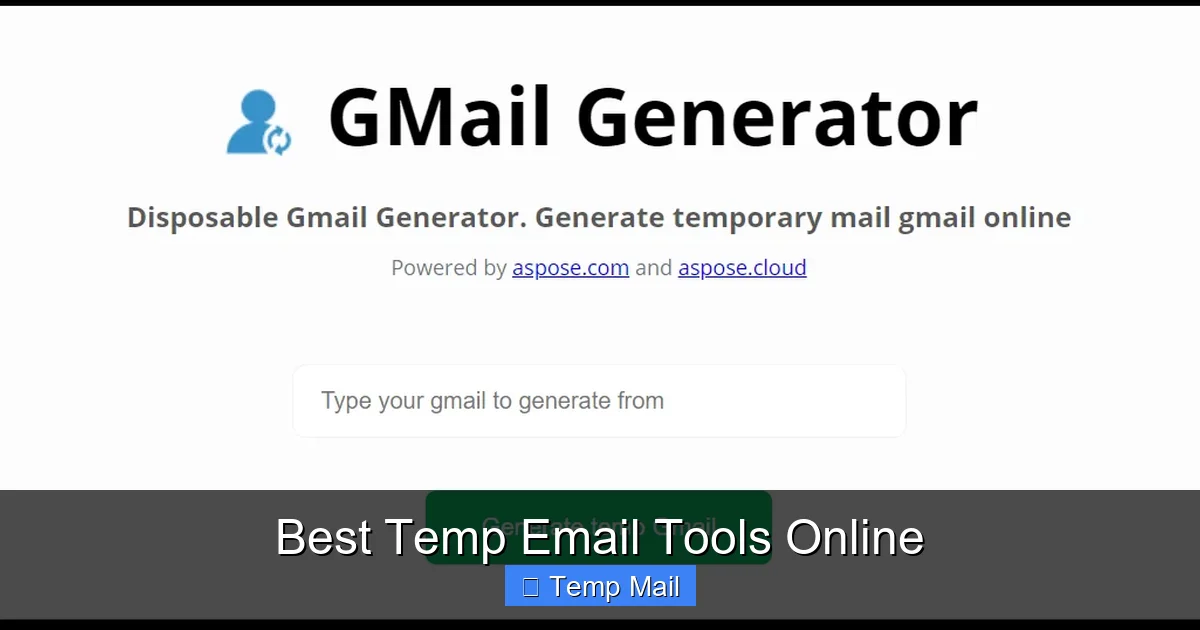
Visual guide about Best Temp Mail Platforms for Anonymous Signups
Image source: tmailor.com
Why it’s great: Temp-Mail.org is the gold standard. It offers a clean, ad-light interface, multiple domain options (like @temp-mail.org, @tempr.email), and a browser extension for Chrome and Firefox that auto-fills temp addresses. Inboxes last for an impressive up to 7 days if you keep them active, and emails arrive nearly instantly. The site is rarely blacklisted compared to older services.
Best for: Users who need a reliable inbox for multi-step signups (e.g., verify email, then wait 24 hours for a promo code). The extension is a huge time-saver.
Watch out for: The free version shows non-intrusive ads. For $9.95/month, you get custom domains, longer inbox life (15 days), and no ads.
Why it’s great: As the name implies, this service is built for urgency. You get a fresh inbox the moment you land on the site, with a big, obvious countdown timer. The interface is brutally simple—just an inbox list and a refresh button. It’s perfect for that one-time verification where you need the code now.
Best for: Instant, single-use signups where you’ll verify within minutes. The 10-minute timer is a psychological nudge to act fast.
Watch out for: The 10-minute limit is strict. If you get distracted, your inbox—and any pending verification email—vanishes. Also, the domain (@10minutemail.com) is widely blacklisted. Have a backup ready.
Why it’s great: One of the oldest names in the game, Guerrilla Mail (guerrillamail.com) offers surprising flexibility. You can choose your own inbox name (e.g., [email protected]) from a list of domains, which helps if a specific domain is blocked. It also has a “scramble” feature to randomize your address for extra privacy. Inboxes last 1 hour by default, extendable.
Best for: When a site rejects a random temp address. Picking a custom inbox name can sometimes bypass basic filters. Also good for those who like control.
Watch out for: The site is ad-heavy with pop-ups and banners, which can be distracting. The interface feels dated.
Why it’s great: Maildrop.cc lives up to its “no-nonsense” tagline. No sign-up, no password, no fancy features. Just a clean inbox view. It’s incredibly fast and minimal. Emails are held for 24 hours, which is generous for a free, no-frills service. The domain (@maildrop.cc) has moderate blacklist issues but still works for many sites.
Best for: Tech-savvy users who want a bare-bones, reliable inbox without extensions or upsells. Great for API testing or developers.
Watch out for: No ability to reply to emails. You can only receive. Also, no custom domains or inbox name choices.
Why it’s great: Tempail.com has a fantastic mobile app (iOS/Android) and a responsive web design that makes checking a temp inbox on your phone effortless. It offers multiple domains, a password-protected “private” inbox option (still temporary), and up to 3 days of retention. The app sends push notifications for new emails—a rare and useful feature.
Best for: Anyone signing up on a mobile device. The push notification means you don’t have to keep the tab open or refresh constantly.
Watch out for: The free web version has more ads than the app. The “private” inbox feature is a bit confusing—it’s still temporary but requires a password you set.
Knowing which service to use is half the battle. Knowing when and how to use it is what makes you an anonymous signup pro.
Situation: A marketing site offers a valuable PDF but demands your email in exchange.
Action: Use Temp-Mail.org or Maildrop.cc. Generate an address, paste it, and download the file. Check the temp inbox for the download link if it’s sent via email. After you get the file, close the tab. No follow-up spam to your real inbox.
Pro Tip: If the site promises a “series of emails,” use a service with longer inbox life (Temp-Mail’s 7-day option) so you can grab all parts before deletion.
Situation: A SaaS tool offers a 30-day trial but asks for a credit card upfront. You want to test it without commitment.
Action: Do not use temp mail here. This is a critical mistake. The service will likely charge the card after the trial, and you won’t receive billing notifications or cancellation links. Use a real email or a dedicated “junk” email account you check occasionally. Temp mail is for non-critical signups only.
Situation: You want to post on a niche forum or news site that requires an account to comment.
Action: Use Guerrilla Mail and pick a custom inbox name related to your forum alias (e.g., [email protected]). This makes it easier to remember if you need to log back in for a reply within the inbox’s lifetime. Use Temp-Mail’s browser extension to auto-fill quickly.
Situation: A stock photo site limits free downloads to 5 per email per month.
Action: Cycle through 2-3 temp mail services. After 5 downloads with one temp address, clear your cookies (or use incognito), and generate a new temp address from a different provider (e.g., switch from 10MinuteMail to Tempail). This evades the simple email-based limit.
“Anonymous” doesn’t mean “secure.” Using temp mail carries specific risks that often get glossed over.
Most reputable free services (like our top 5) are generally safe for their intended purpose—receiving verification emails. However, you are trusting a third party with the content of those emails. While they don’t want your data, a malicious insider or a security breach at the temp mail provider could expose the emails passing through their servers.
Never use temp mail for:
If an email contains a link to reset a password, and you used a temp address, you’ve effectively locked yourself out permanently.
Websites actively block known temp mail domains to prevent spam and abuse. If you try to sign up with an address from a blacklisted domain, you’ll see an error like “Please use a valid email address.” This is why having multiple temp mail services bookmarked is essential practice.
How to test a domain: Before committing to a signup, try sending a test email to the temp address from your real account. If it arrives instantly, the domain is likely working. If it bounces or gets a “blocked” response from your own email provider, that temp domain is probably blacklisted.
Even with a temp email, the website you sign up with can still track you via:
Using temp mail solves the email problem, but not these. For higher anonymity, combine it with a privacy-focused browser (like Brave), a VPN, and private browsing mode.
Go beyond basic signups with these pro strategies.
Don’t reuse the same temp service for multiple signups on the same website. For example, if you’re creating several test accounts on a forum:
Both Temp-Mail.org and Guerrilla Mail offer excellent browser extensions. Install one, and it will:
This automation removes the friction of copying/pasting addresses, making anonymous signups seamless.
Need temp emails for automated testing? Platforms like Temp-Mail.org and Maildrop.cc offer free APIs. You can programmatically generate a new temp address, check for emails, and fetch content. This is invaluable for:
Always review the API rate limits and terms of service.
Temp mail platforms are not a silver bullet for online anonymity, but they are an essential, pragmatic tool for controlling your digital footprint. By swapping your permanent email for a disposable address on low-stakes websites, you effectively cut off a major vector for spam, profiling, and data aggregation. The key is intentionality: use them for what they’re designed for—anonymous, non-critical signups—and avoid them for anything where you need long-term access or security.
From our testing, Temp-Mail.org stands out as the most reliable all-around choice for its balance of longevity, features, and low ad intrusion. Keep 10MinuteMail or Maildrop.cc as backups for when your primary service is blacklisted. And always remember: your IP address is still visible. Pair your temp mail habit with a good VPN for a more complete privacy shield.
Ultimately, reclaiming your privacy starts with small, conscious choices. The next time a website asks for your email just to show you a blog post, reach for a temp mail address instead. It’s a simple action that, multiplied across thousands of websites, significantly reduces your personal data in the hands of marketers and data brokers. Be smart, be anonymous, and keep your primary inbox for what matters.
Yes, using disposable email services is completely legal in most jurisdictions. They are legitimate privacy tools. However, using them for fraudulent activities, like creating fake accounts for scams or to evade bans, violates the terms of service of most websites and could be illegal depending on the context.
Reputable temp mail platforms use HTTPS encryption like any major website. However, because inboxes are publicly accessible via the URL, the main risk is someone else guessing your unique inbox address (which is highly random). The bigger risk is the temp mail provider itself having a data breach, potentially exposing the emails you received. Never send sensitive data like passwords or financial info via a temp address.
Yes, absolutely. Websites maintain lists of known temp mail domains (like @10minutemail.com). If you use an address from a blacklisted domain, the site will often reject it during signup, displaying an error. This is why it’s smart to have multiple temp mail services from different providers in your toolkit.
They are permanently deleted from the temp mail provider’s servers. The email address is then recycled and given to a new user. Once an inbox expires, there is no way to recover those emails. This is why you must check the inbox promptly and save any important information (like a download link) to your device.
Never. For any account you need to recover, access long-term, or that involves financial or sensitive personal information (social media, email, banking, government services), always use a secure, permanent email address that you control and check regularly. Temp mail is for throwaway interactions only.
The biggest mistake is using it for an account they later need to access. If you sign up for a service with a temp email and later forget your username, you cannot reset the password—the reset email goes to an inbox that no longer exists. The second biggest mistake is assuming it provides complete anonymity; your IP address is still visible to the website you visit.
অনলাইন নিউজপেপার থিম। এই থিমটি দিয়ে আপনারা বাংলা এবং ইংরেজি নিউজপেপার সাইট তৈরি করতে পারবেন । বার্তা ও বাণিজ্যিক কার্যালয়: ৭১, মতিঝিল, ঢাকা-১০০০। সম্পাদক : মো আসাদুজ্জামান আমানউল্লাহ । মোবাইল : ০১৭০০-০০০০০০ । ইমেইল : [email protected] ।
All rights reserved © 2019 themesdealer.Com