Image for Best Websites to Get a Temporary Email Address



Temporary email addresses are your first line of defense against spam, data breaches, and unwanted marketing. They let you sign up for websites, download files, or access content without risking your primary inbox. The best temp mail services are free, offer instant inboxes, and don’t require registration, though they vary in features like custom domains and longevity. Always use them for one-time sign-ups, never for critical accounts like banking or primary logins to maintain security.
Imagine you’re at a crowded party and someone asks for your home address. You’d probably hesitate, right? That’s the feeling many of us get when a random website demands our email just to download a PDF or see an article. This is where a temporary email address—often called “temp mail” or “disposable email”—becomes your digital bodyguard. It’s a completely random, short-lived email inbox generated on the fly, with no ties to your identity. You use it once, get the download or verification code, and then abandon it. It poofs away, taking all future spam with it.
Technically, these services provide a public mailbox on their server. When you visit a site like Temp-Mail.org, it instantly gives you an address like [email protected]. Any emails sent to that address appear right there on the website’s inbox page. You don’t need a password. Once you close the browser or after a set time (usually 10 minutes to 48 hours), the address and all its contents are permanently deleted. It’s like renting a P.O. box for an hour—no contract, no trace.
Your Gmail, Outlook, or Yahoo account is persistent, secure, and tied to you. It has robust spam filters, two-factor authentication, and stores years of data. A temp mail is the opposite: transient, open to anyone who knows the address (since no login is required), and designed to be forgotten. Think of it as a public locker versus a private safe. You put something in, retrieve it quickly, and leave it empty for the next person.
Let’s be real: our primary inboxes are battlefields. Every new app, forum, or discount coupon sign-up is a potential spam gateway. Using a temp mail isn’t just a convenience; it’s a proactive privacy strategy. Here’s why millions of people use them daily.

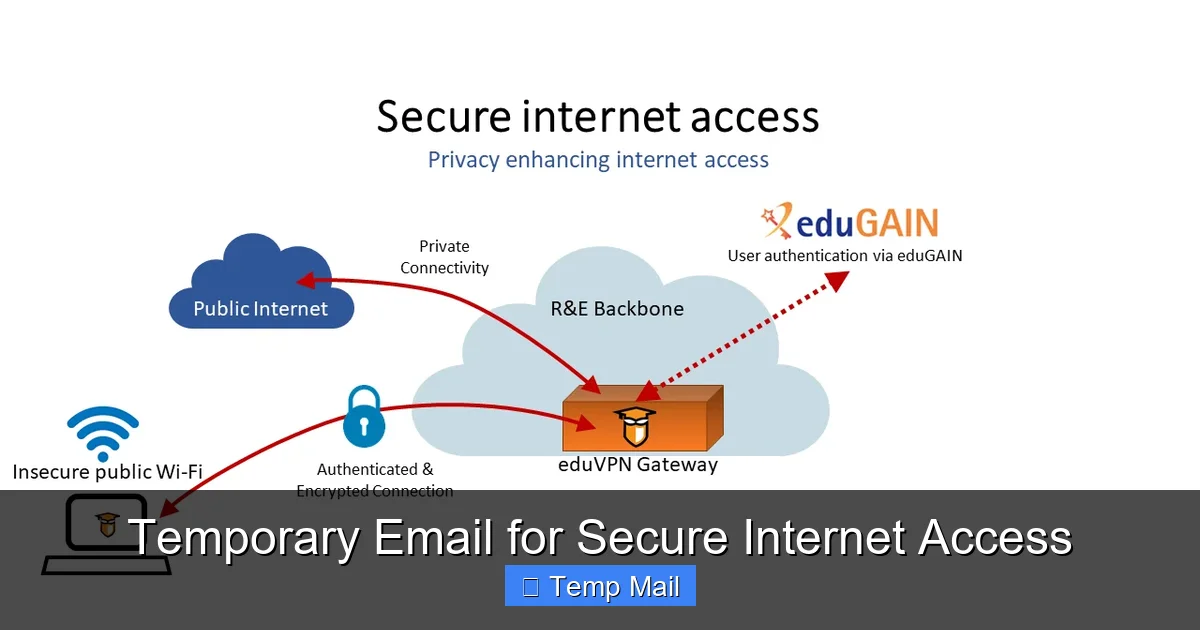
Visual guide about Best Websites to Get a Temporary Email Address
Image source: images.surferseo.art
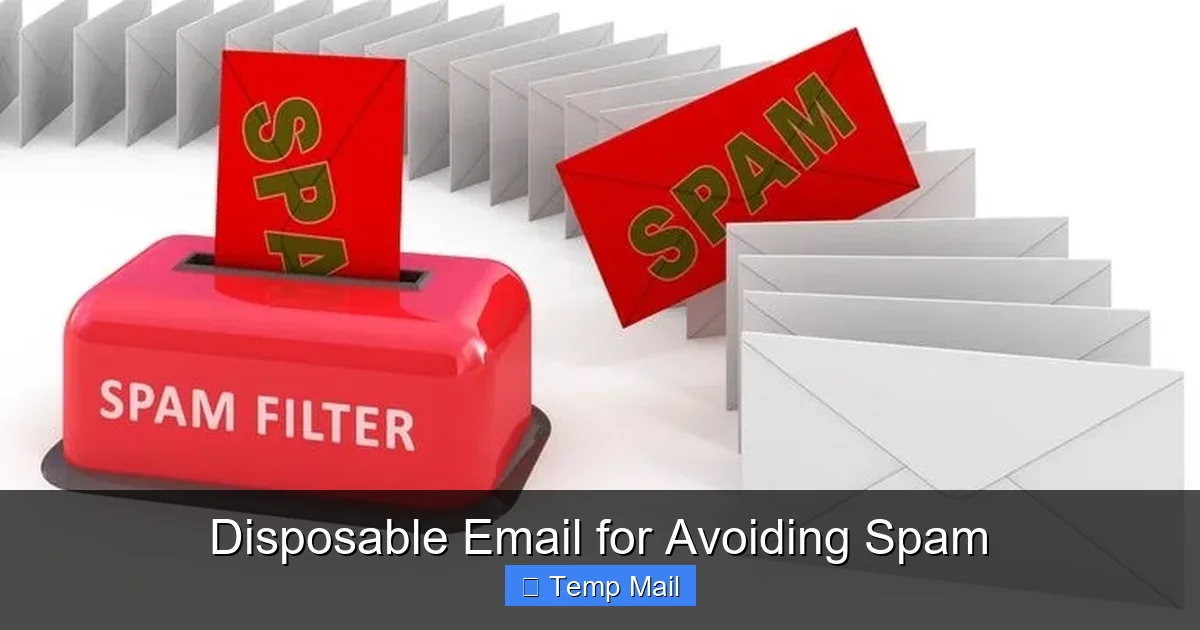
Ever signed up for a “free ebook” and then got weekly newsletters for a year? That’s because your email was sold or shared. A disposable email breaks that chain. The spam goes to the temp address, which dies before it can clutter your main inbox. Your important emails—from family, boss, or banks—stay pristine.
When a company you signed up with suffers a hack, your email is often the first piece of data leaked. Hackers use it for phishing, credential stuffing, or selling on the dark web. A temp email is a burner identity. If that site gets breached, the exposed address is already dead, rendering the data useless and protecting your real identity.
Some blogs or document sites force you to subscribe to read an article or download a template. Instead of using your personal email, a temp address lets you access the content instantly without committing to a newsletter you’ll never read. It’s a fair paywall bypass when you just need the info, not the ongoing relationship.
Developers, testers, or just curious folks can sign up for new apps, social platforms, or SaaS trials without revealing who they are. This is crucial for privacy-first testing or exploring services in regions with restrictive internet policies. It lets you evaluate a product’s core function without a digital footprint.
Some platforms try to detect if you’re using a temp email and may block you. While legit services don’t care, using a reputable temp mail domain (like those we’ll list) minimizes this risk. It’s about using the right tool for the job—not for creating a permanent Instagram, but for a one-time forum registration.
Not all temp mail websites are built equal. Some are ad-infested nightmares; others are sleek and functional. Before we dive into specific sites, here are the non-negotiable features that separate the good from the spammy.

Visual guide about Best Websites to Get a Temporary Email Address
Image source: media.nbcdfw.com
After testing dozens of services for speed, reliability, ad load, and feature set, these six consistently rise to the top. They’re trusted by students, developers, and privacy advocates worldwide.

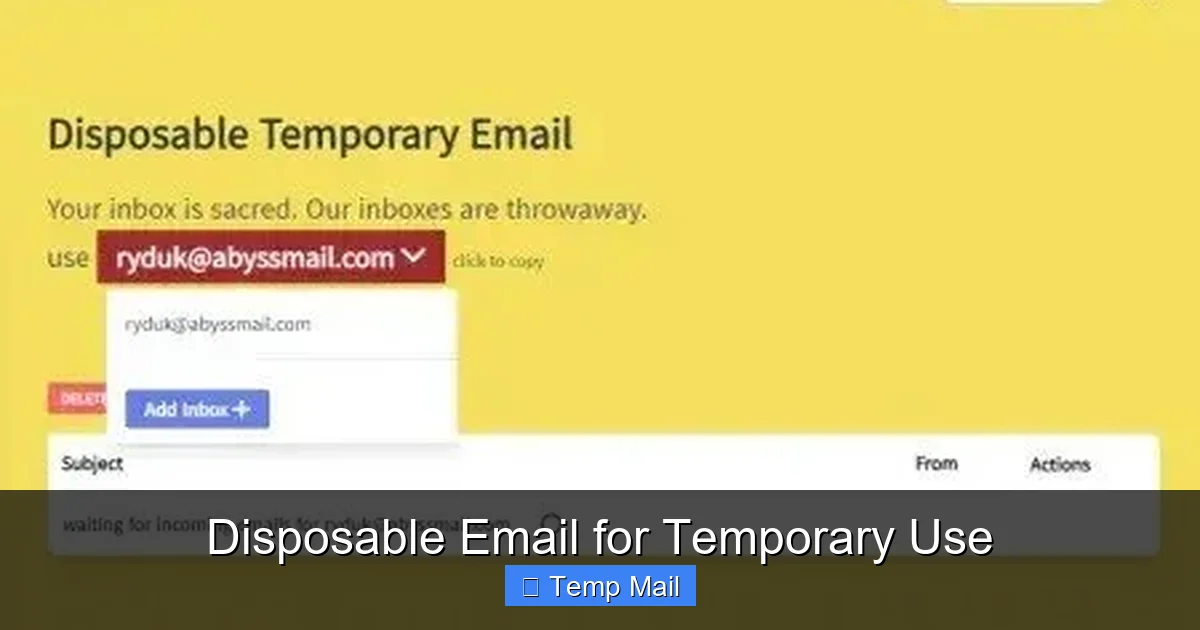
Visual guide about Best Websites to Get a Temporary Email Address
Image source: assets-global.website-files.com
Temp-Mail.org is often the first result in a Google search for a reason—it’s incredibly reliable and user-friendly. Upon landing, you’re greeted with a randomly generated address and a fully functional inbox that updates every 10 seconds. No CAPTCHA, no registration.
Key Features: Offers 10+ domain choices (like @temp-mail.org, @tmpmail.org), a “copy address” button, and the ability to manually refresh. The inbox displays sender, subject, and a preview. You can also generate a new address with one click. Emails typically expire after 1–2 days.
Best For: Everyday quick sign-ups, downloading resources, and general anonymity. Its simplicity and speed are unmatched.
Watch Out For: The page has banner ads, but they’re not overly intrusive. The free version is fully capable; there’s no need for a paid plan.
Guerrilla Mail has been around since 2006 and is a pioneer in the space. It’s famous for its no-nonsense, utilitarian design. You get an address, an inbox, and options to change the username or domain. It’s bare-bones but rock-solid.
Key Features: Includes a “scramble” feature to randomize your address for extra privacy, plus a password protection option if you want to lock the inbox (though this defeats the “no login” convenience). Supports attachments up to 10MB. Inbox lasts 1 hour by default, but you can extend it by clicking “keep inbox alive.”
Best For: Users who want a bit more control (like scrambling the address) and those needing to receive small attachments. Its longevity extension is handy.
Watch Out For: The interface
Best Websites to Get a Temporary Email Address is an important topic with many practical applications.
অনলাইন নিউজপেপার থিম। এই থিমটি দিয়ে আপনারা বাংলা এবং ইংরেজি নিউজপেপার সাইট তৈরি করতে পারবেন । বার্তা ও বাণিজ্যিক কার্যালয়: ৭১, মতিঝিল, ঢাকা-১০০০। সম্পাদক : মো আসাদুজ্জামান আমানউল্লাহ । মোবাইল : ০১৭০০-০০০০০০ । ইমেইল : [email protected] ।
All rights reserved © 2019 themesdealer.Com