Image for Disposable Email for Secure Online Activities



Disposable email addresses are temporary, anonymous inboxes designed for one-time or short-term use. They act as a protective shield for your permanent email, preventing spam, phishing attempts, and data mining when signing up for websites, downloading content, or accessing online services. By using a throwaway address, you maintain your primary inbox’s cleanliness and significantly boost your digital privacy and security posture.
Ever felt that pang of hesitation when a website asks for your email address? You know the drill: “Sign up for our newsletter!” or “Create an account to download this whitepaper.” You hand over your primary email—the one tied to your bank, your family, your identity—and then the spam starts. It’s a modern digital nuisance, but it’s also a significant privacy and security risk. What if there was a simple, clever way to say “yes” to accessing what you need online while saying “no” to the junk and the danger? Enter the world of disposable email, your first line of defense in a crowded, often predatory, internet landscape.
Think of a disposable email address as a digital burner phone. You use it for a specific, often low-stakes, purpose and then discard it. It’s not meant for building long-term relationships or receiving critical communications. Instead, it’s a tactical tool in your online privacy toolkit, designed to create a buffer zone between your real identity and the countless websites, apps, and services that want a piece of your data. This isn’t about being paranoid; it’s about being prudent. In an era where data is the new oil, controlling who gets your email address is a fundamental step in taking back your digital sovereignty.
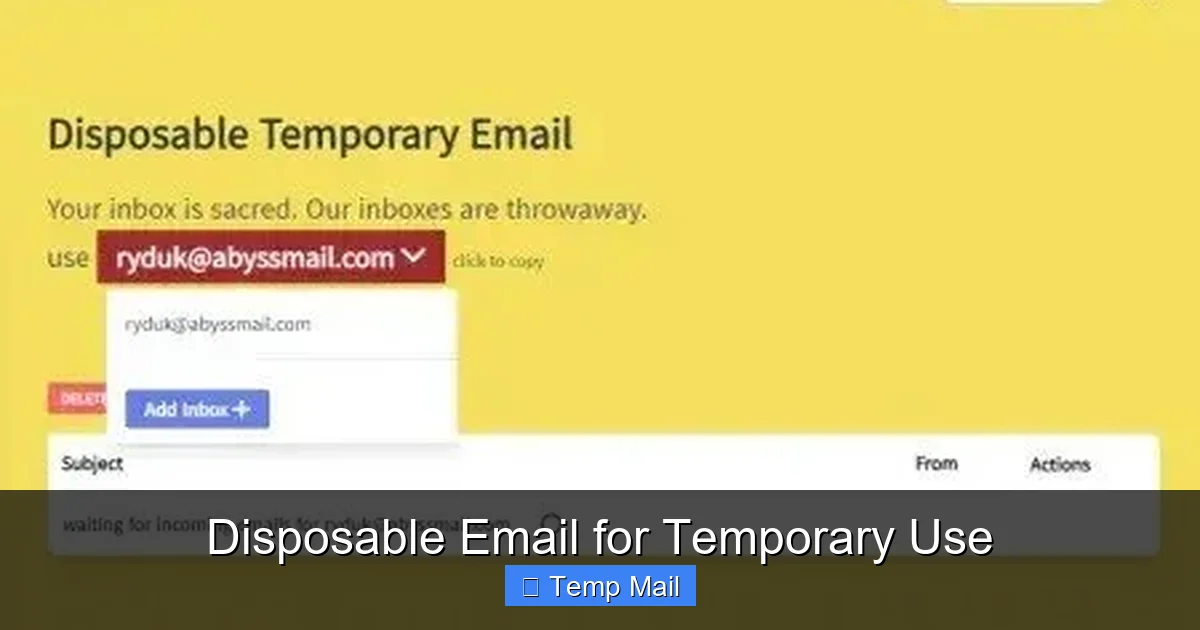
At its core, a disposable email (also called temporary email, throwaway email, or temp mail) is a fully functional email inbox that exists for a very short time. It’s generated on-demand by a specialized service, and it comes with its own random inbox address. You can send and receive emails to and from this address during its lifespan, which typically ranges from 10 minutes to 48 hours, depending on the provider. Once the timer expires, the address and all its contents are permanently erased from the server.
The beauty of disposable email is its utter simplicity and lack of commitment. Here’s the typical flow:
This process requires zero personal information from you. No name, no phone number, no backup email. The address is anonymous by design.
Using a throwaway address isn’t just about avoiding spam; it’s a multi-layered security and privacy strategy. Let’s break down the key advantages.

Visual guide about Disposable Email for Secure Online Activities
Image source: m.media-amazon.com
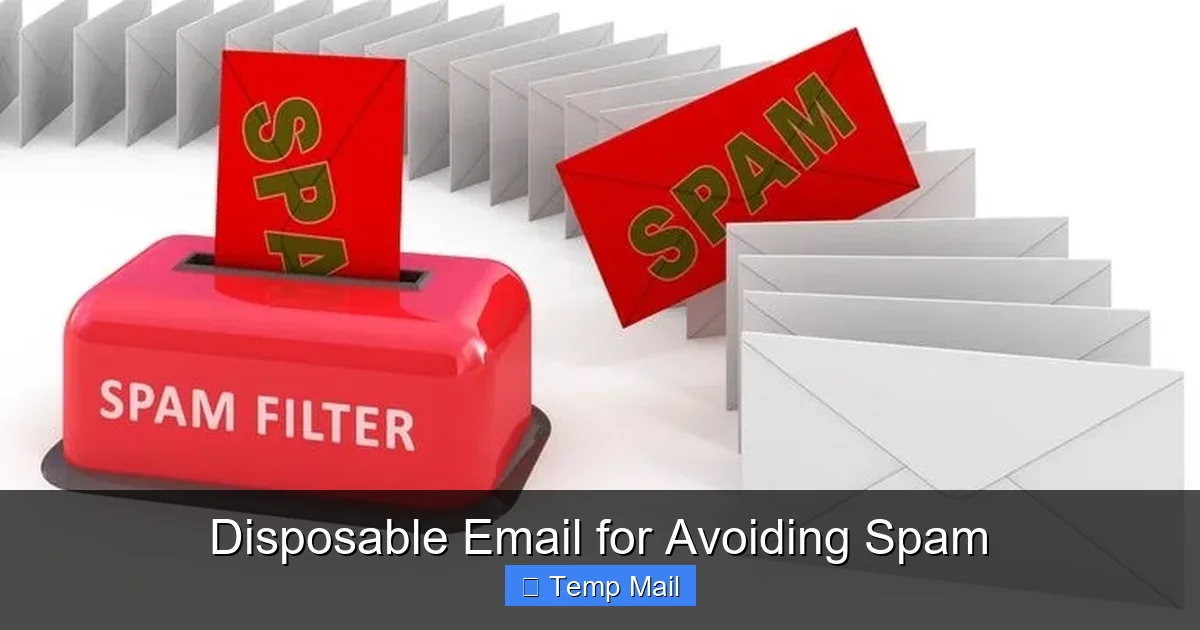
This is the most obvious and immediate benefit. When you use your primary email to sign up for a free e-book, a contest, or a forum, you’re often signing up for a lifetime of marketing emails. Even if you unsubscribe, your email is sold on data broker lists. A disposable address catches all that commercial noise. The promotional newsletter goes to the temp inbox, which vanishes in an hour. Your main inbox remains pristine, reserved for friends, family, and essential notifications.
Phishing emails are crafted to look like they’re from legitimate companies (your bank, PayPal, Netflix) to trick you into clicking malicious links or entering credentials. These attacks are more effective when they target an email address you use for important accounts. By segregating your online footprint, you make phishing attempts glaringly obvious. If you get a “Your Netflix account is locked!” email on your primary Gmail, but you never used that Gmail for Netflix (you used a disposable one), you instantly know it’s a scam. The disposable address acts as a canary in the coal mine.
Every time you enter your email on a website, that data point is collected. It’s used to build a profile of your interests, location, and behavior, which is then sold to advertisers and data brokers. Using a different disposable address for different sites (or types of sites) fragments your digital identity. It makes it exponentially harder for any single entity to create a complete, accurate profile of you, thereby reducing targeted advertising and unwanted data aggregation.
How many passwords do you have? Do you really want to create and manage another set of credentials for a site you’ll visit once? Disposable email eliminates this. There’s no “forgot password” flow because there is no password. You don’t have to worry about securing that account with a strong, unique password. The service handles everything, and the account self-destructs.
Knowing the theory is great, but seeing it in action makes it stick. Here are common, everyday situations where a disposable email is not just helpful, but a smart security practice.

Visual guide about Disposable Email for Secure Online Activities
Image source: online.fliphtml5.com
You want a free PDF guide, a whitepaper, or a software trial. The website asks for your email to send the download link. Use a disposable address. The link arrives, you download the file, and the temporary inbox expires. The company gets a lead, you get your content, and your primary email stays out of their drip campaign.
Testing a new project management tool, a photo editing app, or a streaming service? Use a temp mail for the initial trial sign-up. This prevents the company from bombarding your main inbox with upgrade offers once the trial ends. If you love the service and decide to pay, you can always add your real email later for billing and official communications.
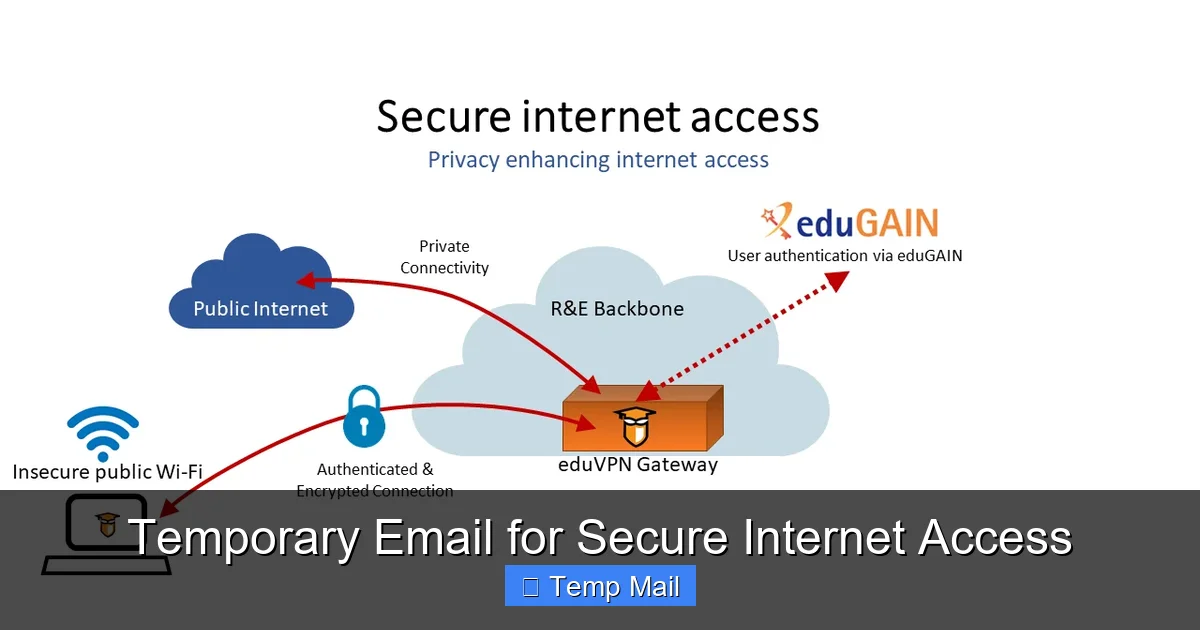
Many airports, cafes, and hotels require you to “register” with an email address to use their Wi-Fi. This is a classic data-harvesting tactic. Provide a disposable email, get your code, and browse securely. The network operator has an email that will cease to exist in a few hours.
Want to join a discussion on a niche forum or comment on a news article? These platforms are notorious for spam and data leaks. A disposable address keeps your online debating persona separate from your professional and personal life.
See a great “10% off” offer that requires email signup? Use the disposable address. The coupon code arrives, you use it, and the address dies. No lingering marketing from that retailer.
If you’re a developer or QA tester, you need to create countless test accounts. Using disposable emails streamlines this process immensely, allowing you to automate sign-up flows without managing a zoo of real email accounts.
Understanding what disposable email can’t do is just as important as knowing what it can. Misusing it can lead to serious problems.

Visual guide about Disposable Email for Secure Online Activities
Image source: cdn-resprivacy.pressidium.com
This is the golden rule. If you use a disposable email to sign up for an account and later forget your password, you are permanently locked out. There is no “reset password” email because the inbox no longer exists. This makes disposable email completely unsuitable for any account you need to keep long-term: banking, primary email, social media, cloud storage, or any service with monetary value or sensitive personal data.
Many popular platforms (like Google, Facebook, major banks, and some corporate SSO providers) maintain lists of disposable email domains and will block sign-ups from them. They do this to reduce fraud and fake accounts. If you try to use a temp mail on these sites, you’ll get an error message. This is a feature, not a bug—it tells you the service is serious about account integrity.
Don’t expect labels, folders, rich formatting, calendar integration, or large attachments. Disposable inboxes are bare-bones. They exist to receive a single verification link or a small text file. Anything more complex is beyond their scope.
Because they are anonymous, disposable emails are sometimes used for malicious purposes like creating spam accounts or bypassing bans. This can lead to the entire domain (e.g., @tempmail.demo) being blacklisted by some email providers. In rare cases, a legitimate verification email from a reputable company might not be delivered because the temp mail domain is on a spam blocklist. However, major disposable email services work to mitigate this.
Not all disposable email services are created equal. While they all share the core temporary function, differences in usability, privacy policy, and lifespan matter.
As the internet evolves, so do the tactics for data collection and the tools for privacy. We’re seeing the rise of decentralized identity protocols and increased regulatory scrutiny (like GDPR and CCPA) that give users more control. Yet, the fundamental problem remains: countless websites and apps require an email address as a basic identifier and communication channel, often as a low-friction way to build their user base and marketing lists.
In this environment, disposable email isn’t going away; it’s becoming a standard hygiene practice for the informed netizen. It’s the digital equivalent of using a pseudonym at a coffee shop instead of your full legal name and credit card for a one-time purchase. It acknowledges that not every online interaction warrants the full weight of your permanent identity. As long as “email address” remains the universal key to the internet’s door, there will be a need for a stack of temporary, discardable keys to use on the doors you don’t plan to walk through again.
Ultimately, adopting disposable email is a shift in mindset. It moves you from being a passive data subject to an active manager of your digital footprint. You start to ask, “What does this site really need from me?” and “What’s the minimum viable credential I can provide?” That question, applied to your email address, is the first and most powerful step toward a cleaner, safer, and more private online experience. It’s a small habit with an outsized impact on your security posture and peace of mind.
Yes, using disposable email is completely legal and a safe practice for privacy protection. The safety comes from using it for its intended purpose—low-stakes, non-critical sign-ups. The risk only arises if you use it for important accounts where you need to recover access later.
The core difference is lifespan and commitment. Regular email (Gmail, Outlook) is permanent, requires personal info and a password for setup, and is designed for long-term storage and communication. Disposable email is temporary, anonymous, requires no sign-up, and self-destructs after a short time, with no storage or recovery options.
Yes, many can. They check the domain name against public lists of known disposable email providers. This is why major platforms like Google or Apple block them. If a site blocks your temp mail, it’s a sign they take account security seriously, and you should use your real email (or reconsider if you trust the site).
The account creation will likely fail or remain unverified. You will lose access to that account on that service forever, as you cannot receive the verification email later. You would need to start the sign-up process again, ideally with a different email address.
Well-known and generally reliable services include Temp-Mail (tempmail.com), 10MinuteMail (10minutemail.com), and Guerrilla Mail (guerrillamail.com). Always check their current privacy policy, as service quality and policies can change.
No. You should never use disposable email for social media (Facebook, Twitter, Instagram), gaming platforms (Steam, Xbox), or any service where you might need to recover your account, receive official updates, or link payment methods. Use your primary, secure email for these accounts.
অনলাইন নিউজপেপার থিম। এই থিমটি দিয়ে আপনারা বাংলা এবং ইংরেজি নিউজপেপার সাইট তৈরি করতে পারবেন । বার্তা ও বাণিজ্যিক কার্যালয়: ৭১, মতিঝিল, ঢাকা-১০০০। সম্পাদক : মো আসাদুজ্জামান আমানউল্লাহ । মোবাইল : ০১৭০০-০০০০০০ । ইমেইল : [email protected] ।
All rights reserved © 2019 themesdealer.Com