Image for Disposable Email Vs Real Email: Pros and Cons


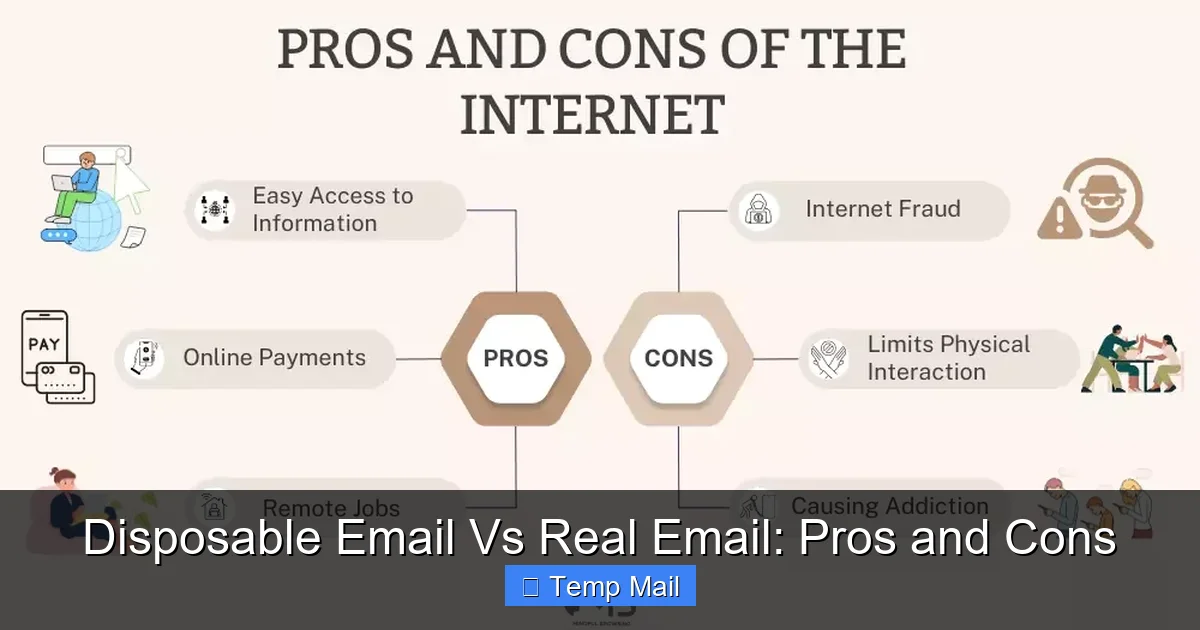
Disposable email addresses offer a quick, spam-blocking shield for one-time sign-ups, but they lack security and permanence. Real email accounts provide essential security, identity, and long-term communication but require active management against spam. Choosing between them isn’t about which is better overall, but which is right for the specific task at hand.
Imagine you’re at a bustling street fair. A friendly promoter hands you a flyer for a free sample, asking only for your email address. Do you hand over the card with your home address (your real email), or do you scribble down a made-up name on a random napkin (a disposable email)? This split-second decision echoes across your entire digital life. The choice between a disposable email address and a real, permanent one is more than a minor convenience—it’s a fundamental strategy for managing your online privacy, security, and sanity. But what are the real trade-offs? Let’s unpack the pros and cons of each, moving beyond the hype to give you a clear framework for when to use which.
A disposable email address (often called temp mail, throwaway email, or fake email) is a temporary inbox that exists for a short period—usually minutes or a few hours—and then self-destructs. You don’t need to create an account or remember a password. You simply visit a website like Guerrilla Mail, 10MinuteMail, or Temp-Mail.org, get a randomly generated address, use it, and forget it. Its sole purpose is to receive a single verification email or download link, after which the address and all its contents are purged.
A real email is a persistent account you own and control, typically provided by a major service like Gmail, Outlook/Hotmail, Yahoo Mail, or your internet service provider. It requires a username and password (often with two-factor authentication) and is tied to your identity over years. It’s the digital equivalent of your physical home address—it’s where you receive bills, official correspondence, and communication from your inner circle.
The appeal of disposable email is immediate and powerful. It’s the tool you reach for when you feel a pang of digital distrust. Let’s explore why.
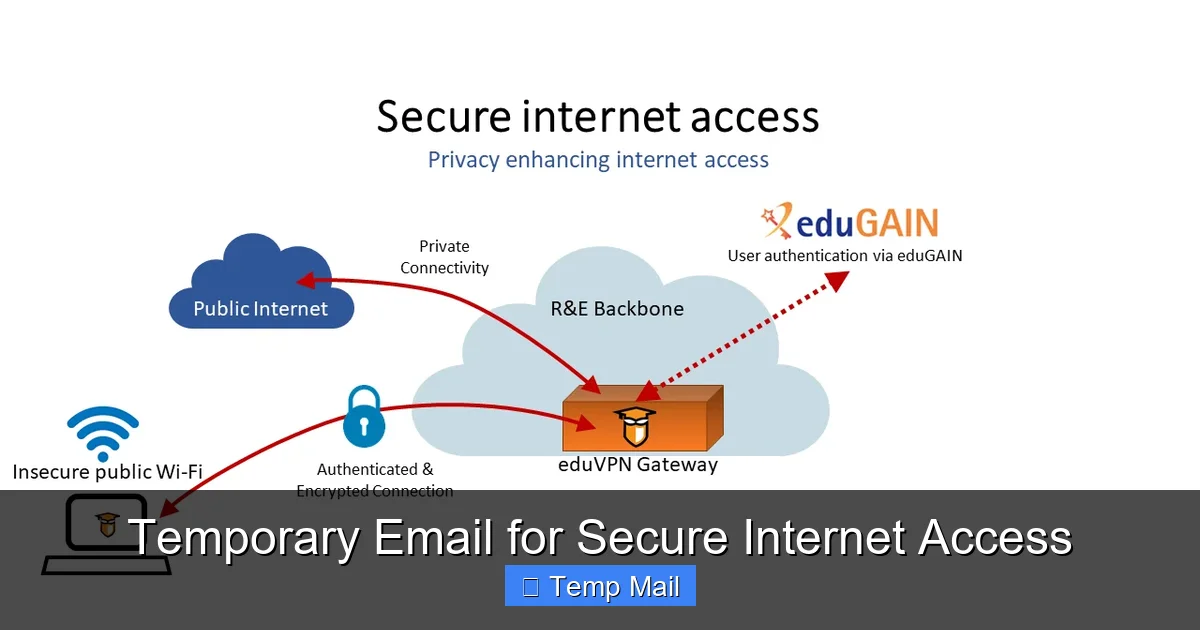
Visual guide about Disposable Email Vs Real Email: Pros and Cons
Image source: smartsheet.com
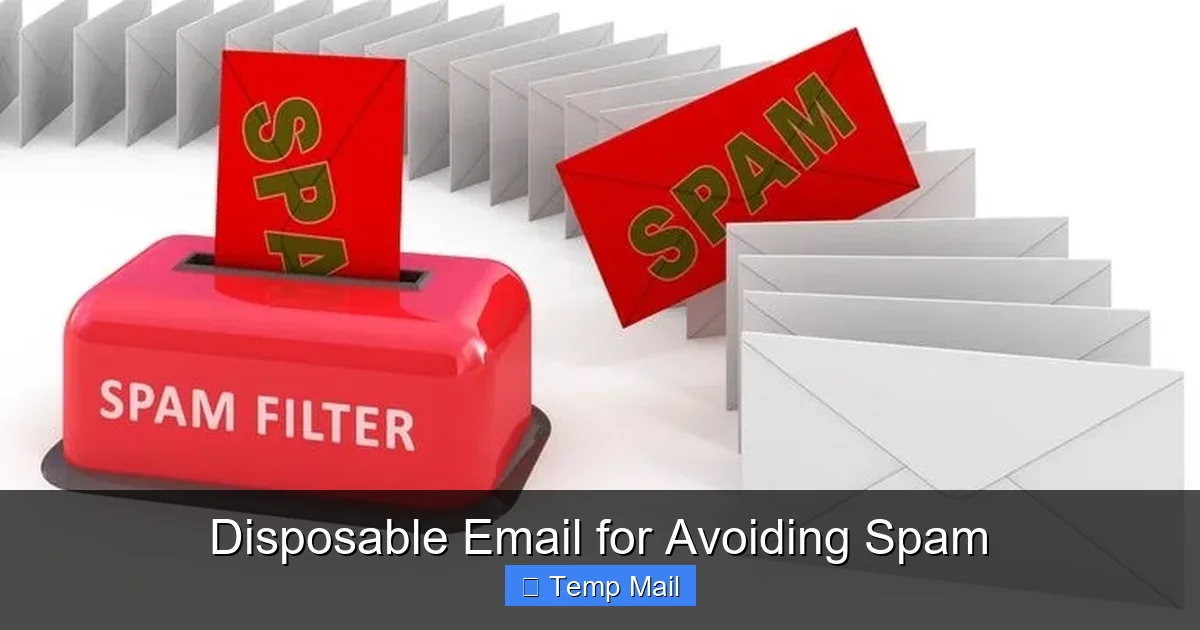
This is the flagship benefit. By using a disposable address for a sketchy website download, a one-off contest, or a forum you’ll never visit again, you create a dead-end for marketers. The confirmation email lands in an inbox that will vanish in 10 minutes. Your primary inbox remains pristine. You’ve effectively neutered the primary vector for unsolicited commercial email.
No registration forms, no password creation, no security questions to forget. You click, copy the address, paste it, and you’re done in 15 seconds. There’s no long-term liability. If the service turns out to be a scam or a data-hungry operation, they have nothing of lasting value—no password to crack, no account to hijack, no recovery email to target.
It creates a buffer layer between your real identity and an untrusted party. The website selling that questionable e-book gets an email address that could be anyone’s. It cannot be cross-referenced with your other online activities (social media, banking, shopping) to build a profile of you. For that single interaction, your digital footprint is smaller.
Many blogs and news sites gate their content behind an email sign-up. A disposable address lets you access that one article you need without subscribing to a newsletter you’ll immediately delete. It’s a key to a locked door you only need to open once.
The convenience of disposable email comes with significant, often catastrophic, downsides. It’s a tool with a very narrow safe operating zone.
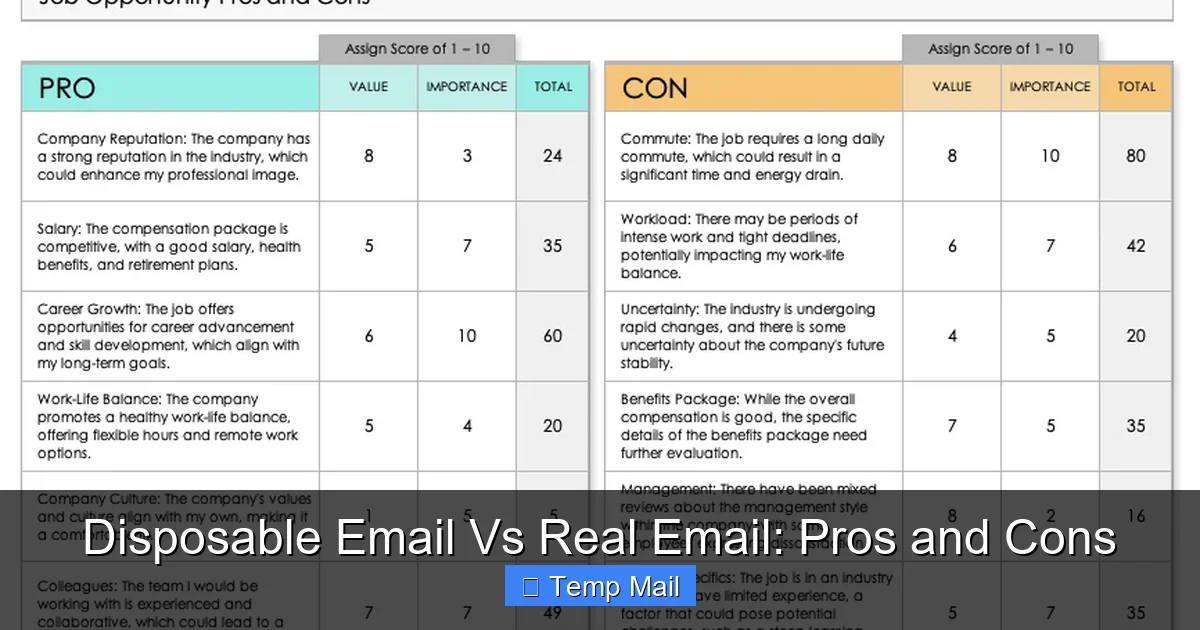
Visual guide about Disposable Email Vs Real Email: Pros and Cons
Image source: smartsheet.com
This is the most critical con. The inbox is temporary. The address is ephemeral. If you need to reset a password, receive a receipt for a digital purchase, or get a crucial account update after the disposable inbox has expired, you are locked out forever. You cannot recover an account tied to [email protected] because that address no longer exists. Any purchased software license, digital game, or subscription linked to it is gone.
You have zero control. The service provider can see all emails passing through. While most reputable temp mail services don’t log data, a malicious or compromised provider could intercept sensitive information. There is no encryption you control, no secure login, and certainly no two-factor authentication. The inbox is a public waiting room; anyone with the URL can, in theory, see your emails.
Many websites and platforms actively block known disposable email domains. They know these addresses are associated with fraud, spam, and abuse. If you try to sign up for a serious service (like a freelancing platform, a university portal, or a reputable SaaS tool) with a temp address, you’ll likely be rejected immediately. It signals you’re not serious or are trying to hide something.
You cannot build a reputation or a trusted profile with a disposable address. It’s the digital equivalent of a masked stranger. For professional networking, client communications, or any long-term relationship, it’s useless and unprofessional.
A permanent email is the cornerstone of your authenticated online existence. Its strengths are foundational.
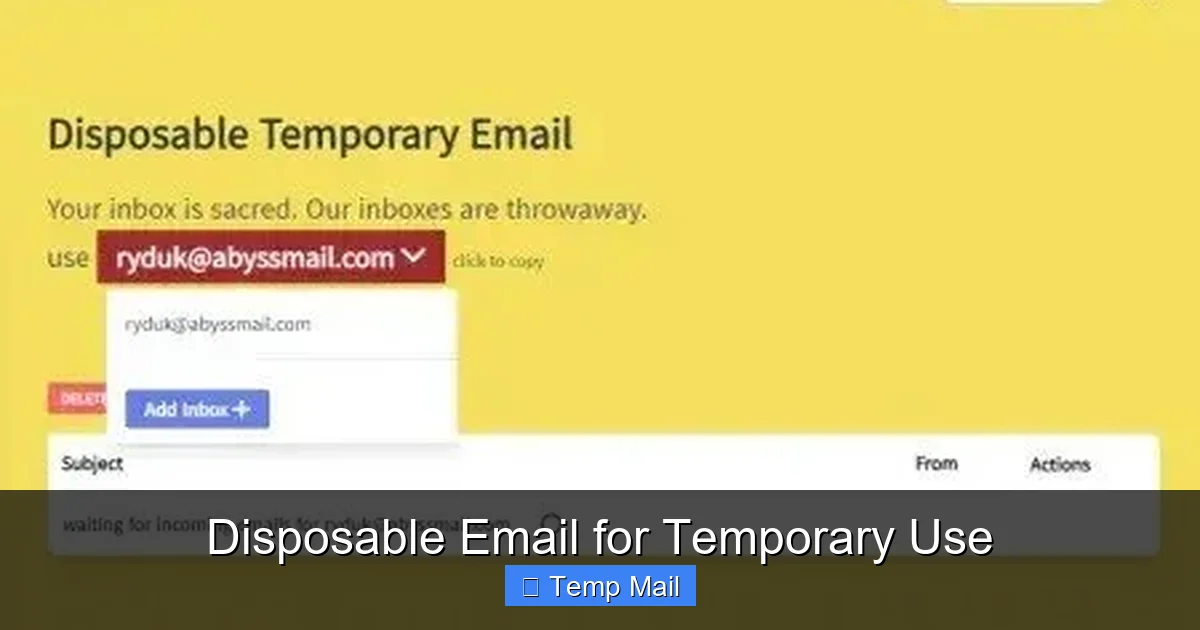
Visual guide about Disposable Email Vs Real Email: Pros and Cons
Image source: nonprofithub.org
Your real email is the primary username for almost every important account: social media, cloud storage, banking, government services, and work tools. It’s the recovery point for forgotten passwords. Losing access to this email is like losing your ID, passport, and house keys simultaneously. It is the anchor of your digital self.
Major providers invest billions in security. You get spam filters powered by AI, virus scanning, and, most importantly, two-factor authentication (2FA). With 2FA, even if your password is stolen, a hacker needs the second factor (your phone) to breach your account. This layered security is unavailable on disposable platforms.
Emails are stored indefinitely (within service limits). You can search your inbox from five years ago for that one receipt or contract. This creates a searchable, permanent record of your digital life—purchases, agreements, travel itineraries, personal communications.
An address like [email protected] or [email protected] conveys legitimacy. It’s expected in business correspondence, job applications, and academic settings. It tells the recipient you are a real, accountable person or entity.
With great power comes great responsibility—and some notable annoyances.
Your real email is a target. Every data breach, every website you sign up for, adds your address to marketers’ and hackers’ lists. Despite filters, some spam will get through, and your primary inbox can become a chore to manage. The very permanence that is a strength also makes it a persistent target.
You must be your own security guard. This means using a unique, strong password for your email (and a password manager), enabling 2FA, recognizing phishing attempts, and regularly reviewing account activity. Complacency here can lead to a cascade of breaches across all your linked accounts.
Free email providers (like Gmail) scan your emails to serve targeted ads. While they claim it’s automated, the principle is that your private communications are analyzed for commercial gain. Your real email becomes a rich data source for building a comprehensive profile of your interests, purchases, and connections.
If a hacker gains control of your primary email account, they can reset passwords for every other account linked to it—social media, banking, shopping. They can impersonate you to your contacts. The breach is catastrophic and requires a complex recovery process.
Now, let’s get practical. When should you deploy which tool? Think of this as a decision flowchart.
Winner: Disposable Email. The risk is minimal spam. If you never hear from them again, that’s the goal. You have zero need for a receipt or future contact.
Winner: Real Email (with 2FA enabled). This is critical infrastructure. You need reliable access, password recovery, and security. A disposable address would guarantee you lose access to your money or files.
Winner: Real Email. Professionalism is paramount. A disposable address looks suspicious and unprofessional. Recruiters and clients need to trust they can reach you.
Winner: Disposable Email (with caution). Here, privacy from the *site and other commenters* is the goal. However, remember the site admin can still see the IP address of the disposable inbox user. It’s not true anonymity.
Winner: Disposable Email (if you are sure you won’t buy). If you know you’ll evaluate and abandon it, use temp mail to avoid the inevitable “Your trial is ending!” spam. But if there’s any chance you’ll convert to a paid plan, use your real email. You’ll need the invoices and access post-trial.
Winner: Real Email (parent’s). This is official, important communication. You need to receive updates, schedules, and emergency notices reliably. A disposable address would be irresponsible.
You don’t have to choose one or the other universally. The most effective approach for a savvy digital citizen is a tiered system.
This is your most secure, most important account. Use it for:
Security Protocol: Unique, strong password. MANDATORY 2FA (using an authenticator app, not SMS). Never use this email for public sign-ups.
Create a second, free real email address (e.g., a separate Gmail account). Use this for:
This compartmentalizes risk and keeps your “Fortress” inbox for only the most critical matters. Still use 2FA here.
Use a disposable service for everything else:
Golden Rule: Never, under any circumstance, use a disposable email for anything you might need to log back into, recover, or prove ownership of in the future.
The landscape is evolving. Some email providers now offer alias features (e.g., Gmail’s “plus addressing” [email protected] or Apple Hide My Email). These are not truly disposable but create unique, forwardable addresses that can be disabled if spam gets out of control. They offer a middle ground: the control of your real domain with the disposability of a temp address. Additionally, privacy-focused providers like ProtonMail offer encrypted, secure real email accounts with a stronger privacy promise, though they still require account creation and management.
Regulatory changes, like GDPR and CCPA, give you more rights to request data deletion, but they don’t change the fundamental utility equation. The core trade-off remains: permanence and security versus anonymity and convenience.
The debate isn’t about which email type is superior in a vacuum. It’s about intentionality. A disposable email is a fantastic, low-risk tool for a specific job: creating a dead-end for unwanted contact. A real email is a non-negotiable pillar of your digital identity, security, and long-term access. The mistake lies in using a sledgehammer (disposable email) for a job that requires a scalpel (secure real email), or vice versa. By understanding the clear pros and cons outlined here and adopting a tiered strategy, you take control. You stop being a passive victim of spam and data breaches and become an active manager of your digital footprint. So next time that website asks for your email, pause. Ask yourself: “What’s at stake here?” The answer will tell you exactly which mailbox to reach for.
No, using disposable email services is perfectly legal. They are legitimate tools for privacy protection. However, using them to commit fraud, evade bans, or engage in illegal activities is, of course, illegal. The tool itself is neutral; it’s the intent and use that matter.
Yes, very easily. Reputable websites maintain lists of known disposable email domains and block them during registration. They do this to prevent spam, abuse, and fake accounts. If you try to sign up with a blocked domain, you’ll get an error message.
Absolutely not. It is dangerously unsafe for any account you need to access long-term, especially those involving money, identity, or important data. You will inevitably lose access when the inbox expires, leading to permanent lockout and potential loss of funds or services.
The biggest risk is self-sabotage. You might use it for a service you later decide to pay for, only to find you cannot receive invoices or log in. You might use it for a password reset on an account you created with your real email, trapping yourself out. The risk is losing something valuable due to a temporary decision.
Generally, no. For any purchase, you need order confirmations, shipping updates, receipts for returns, and access to digital goods. All of these require a reliable, permanent email address. Use your Tier 2 “Shield” real email for shopping, not a disposable one.
Not in the true, auto-delete sense. However, you can use Gmail’s “plus addressing” trick (e.g., [email protected]) to create unique addresses that all forward to your main inbox. You can then set up a filter to auto-delete or label emails sent to that specific alias. This offers some of the filtering benefits of disposability without losing the emails to your main account.
অনলাইন নিউজপেপার থিম। এই থিমটি দিয়ে আপনারা বাংলা এবং ইংরেজি নিউজপেপার সাইট তৈরি করতে পারবেন । বার্তা ও বাণিজ্যিক কার্যালয়: ৭১, মতিঝিল, ঢাকা-১০০০। সম্পাদক : মো আসাদুজ্জামান আমানউল্লাহ । মোবাইল : ০১৭০০-০০০০০০ । ইমেইল : [email protected] ।
All rights reserved © 2019 themesdealer.Com