Image for Temporary Email for Instant Verification Codes



Tired of your primary inbox getting flooded with spam after signing up for a new service? A temporary email address is your secret weapon. It lets you instantly receive verification codes and one-time links without exposing your real email. This simple tool boosts your online privacy, keeps your main inbox clean, and streamlines sign-ups for apps, games, and websites—all for free and without registration.
Let’s be honest. The digital world runs on one thing: your email address. It’s the key to everything. Want to download a free PDF? Need to comment on a video? Trying a new productivity app? Almost always, the first gate is an email field. And right behind it, the bouncer: the verification code. You type in your real, precious, hardworking email address. Then you wait. You switch tabs. You check your phone. You finally see it—a 6-digit code from “[email protected].” You type it in, you’re in! Victory! But then… the emails start. And they never stop. That one sign-up opened a floodgate. Your main inbox, the one you use for banking, family, and work, is now a cluttered mess of promotions, newsletters you never read, and “We miss you!” emails. There’s a better way. A side door. A secret passage. That’s what a temporary email for instant verification codes provides. It’s not a hack; it’s a smart, simple filter for your digital life.
Think of your primary email as your home address. You wouldn’t give it to every random store clerk or street vendor, would you? You’d use a P.O. box or a trusted friend’s address for the stuff you don’t want coming to your front door. A temporary email is that P.O. box for the internet. It’s a disposable, instant inbox that exists for one purpose: to catch that verification code and then self-destruct. In this guide, we’re diving deep into the world of temp mail. We’ll explore how it works, why it’s a game-changer for privacy and convenience, how to use it safely and effectively, and which services are worth your time. By the end, you’ll wonder how you ever verified anything without it.
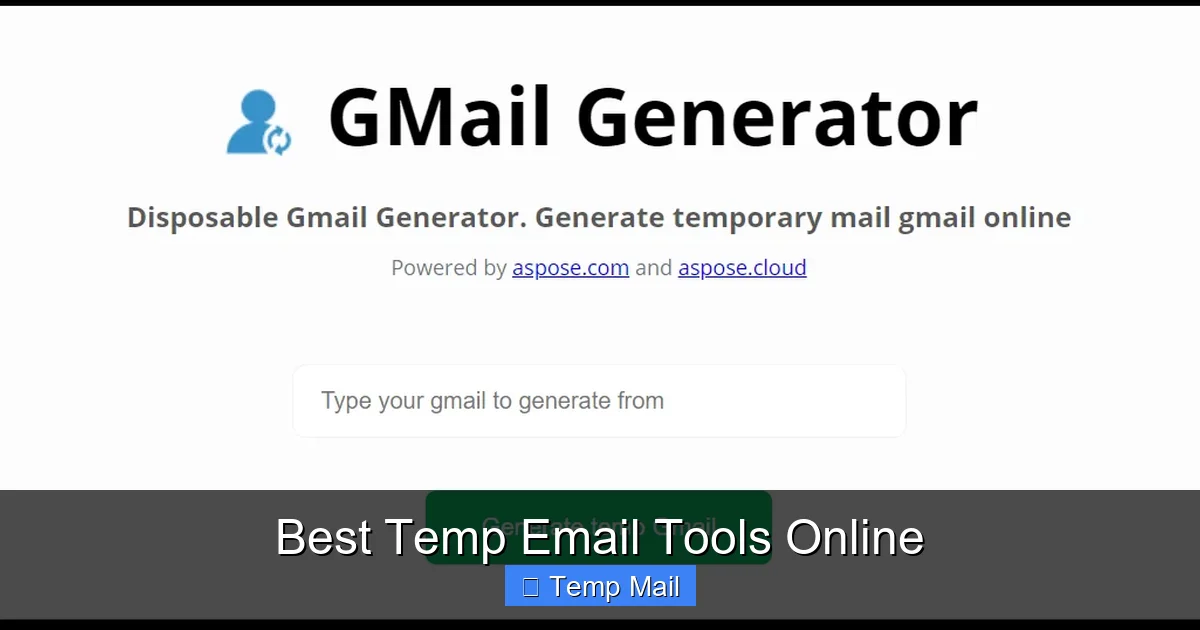
The concept is beautifully simple, but the execution is impressively seamless. When you visit a site like Temp-Mail.org, Guerrilla Mail, or 10MinuteMail, the service instantly generates a unique, random email address for you. Something like [email protected]. This address is fully functional and active the moment it appears on your screen. It has its own dedicated inbox, visible right there on the webpage.

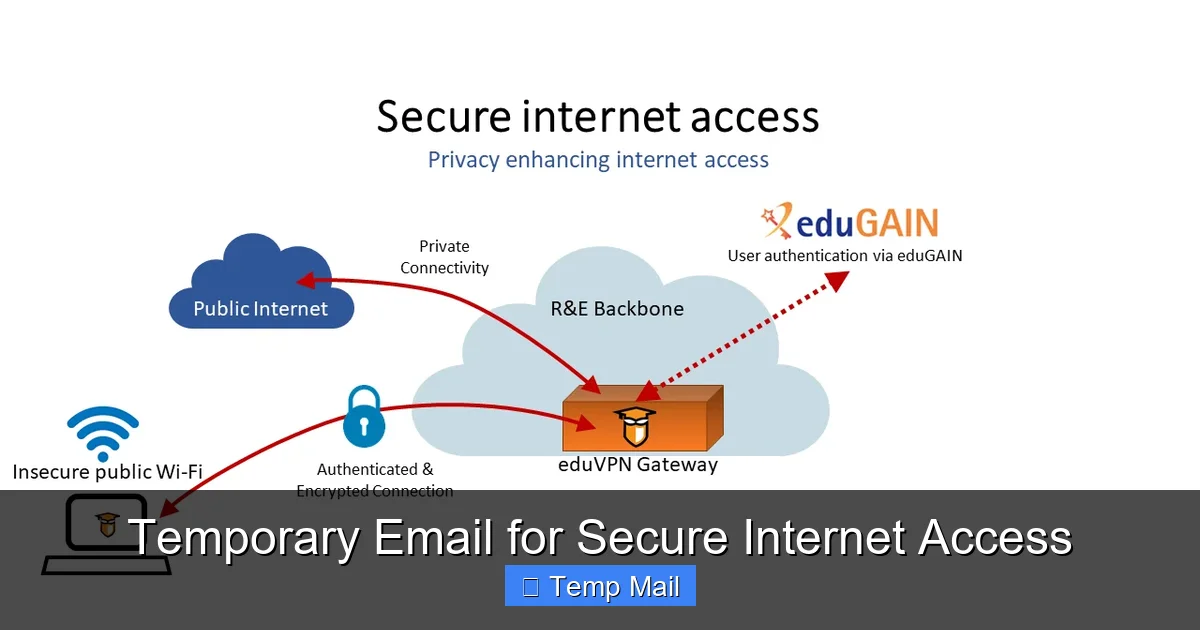
Visual guide about Temporary Email for Instant Verification Codes
Image source: i0.wp.com
No sign-up. No CAPTCHA. No “Confirm your email to create your account.” That’s the whole point. The system’s algorithm spits out an available address from a vast pool of domains it controls. This address is linked to a temporary mailbox on their servers. As soon as you copy that address and paste it into the sign-up form of the service you’re trying to access, you’re ready. The magic happens in real-time. The website you’re signing up for sends the verification email to your temporary address. The temp mail service’s servers intercept it, parse it, and display the email content—including the precious verification code or link—in your browser-based inbox within seconds. You read it, you copy the code, you paste it, and you’re verified. It’s that fast.
Every temporary inbox comes with an invisible timer. This varies by service. Some give you 10 minutes (hence 10MinuteMail). Others offer 1 hour, 24 hours, or even until you close the browser tab. This expiry is a core feature, not a bug. It enforces the “temporary” nature. Once the time is up, the inbox and all its emails are permanently deleted from the server. The email address is then recycled and given to the next user. This automatic cleanup is what prevents your data from lingering and being misused. It’s a digital shredder for your correspondence.
Why go through this extra step? The benefits boil down to two monumental advantages: reclaiming your privacy and achieving inbox sanity.

Visual guide about Temporary Email for Instant Verification Codes
Image source: prod.docsiteassets.roblox.com
Every time you use your real email to sign up for a service, you are creating a data point. That service now has a direct link between your activity (what you downloaded, what forum you joined, what app you tried) and your identity (your name, your other accounts, your location). They might use it internally, or they might sell or leak it to data brokers. With a temporary email, you sever that link at the source. The service gets an email address that leads to an inbox that will vanish. They cannot tie your activity back to you. You browse, you verify, you leave no trace. It’s the closest thing to anonymous browsing for services that insist on an email. For activists, journalists, or anyone in a sensitive position, this is a critical tool. For the average person, it’s a powerful way to say, “My data is mine, and I’m not giving it away for free.”
Let’s talk about the spam. That “free ebook” you downloaded three years ago? It’s still emailing you. That gaming site you tried once? Weekly newsletters. That obscure retail site? Sale alerts every Tuesday. This is the price of using your primary email for everything. A temporary email is the ultimate spam filter. Because the inbox disappears, there is nowhere for spam to accumulate. You use it once, get your code, and the entire communication channel—the email address itself—ceases to exist. No unsubscribing. No marking as spam. It just never happens. Your main inbox remains a pristine sanctuary for only the emails you truly want: from your boss, your family, your bank. It’s not just cleaning your inbox; it’s preventing the mess from ever being made.
Using a temp mail service is so easy it feels like cheating. But a few pro-tips can make it even smoother and more effective.

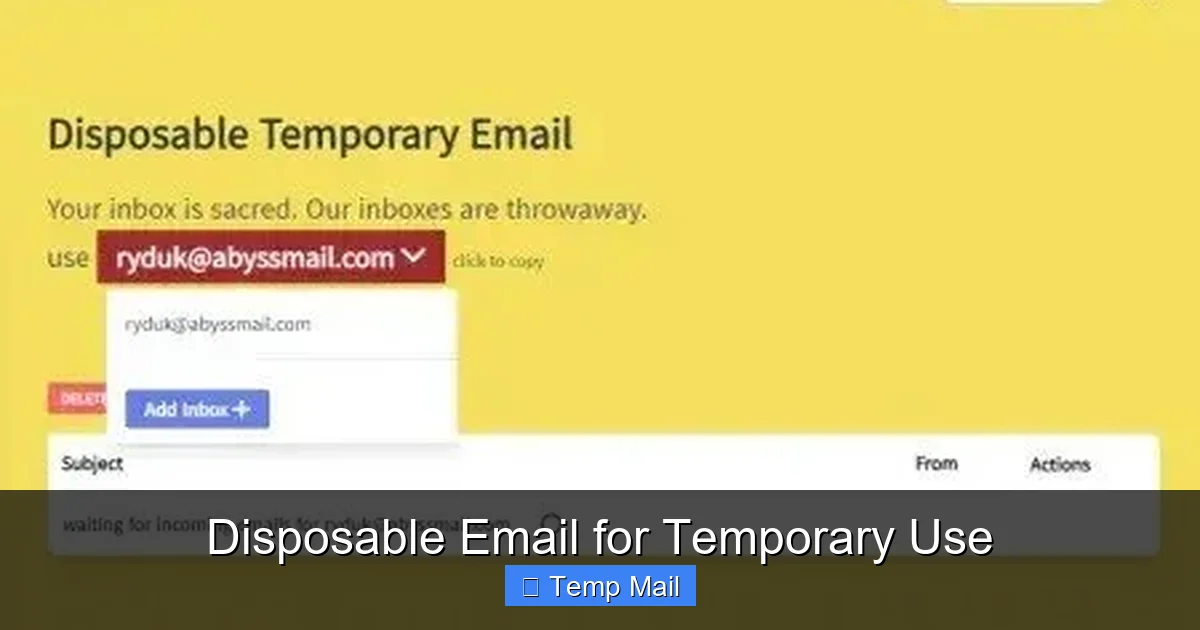
Visual guide about Temporary Email for Instant Verification Codes
Image source: i.ytimg.com
1. Navigate: Open your browser and go to your chosen temporary email provider (e.g., Temp-Mail.org is a great starting point).
2. Copy: The page will load and immediately display a random email address in a large, easy-to-copy box. Click the copy icon next to it.
3. Paste: Go to the website or app you want to sign up for. Paste the temporary address into the email field.
4. Wait & Watch: Proceed with the sign-up until the site asks for the verification code. Do not close the temp mail tab.
5. Refresh: Switch back to your temp mail tab. You may need to hit the refresh/inbox button. Within 10-30 seconds, the verification email should appear. Click on it to open.
6. Paste & Conquer: Copy the code (or click the link if it’s a magic link login) and paste/click it into the verification field of your sign-up. You’re in!
Not all temp mail services are created equal. While the core function is the same, features, usability, and reliability differ. Here’s your checklist for picking a winner.
Temp-Mail.org: The industry standard. Reliable, fast, clean interface, multiple domains, and a useful browser extension. It’s the go-to for most users.
Guerrilla Mail: A veteran with a quirky interface. It offers a surprising amount of functionality, including the ability to “lock” your inbox for a longer period (up to 6 hours) and send replies. Great for more complex, short-term needs.
10MinuteMail: The original. Simple, no-frills, and lives up to its name. It’s perfect for the most basic, urgent “I need a code now” scenario. The address and inbox are gone after 10 minutes, leaving no trace.
A powerful tool is only good if used responsibly. Temporary email is not a license for malicious activity. Understanding its limits and proper use is crucial.
While email verification is king today, the landscape is shifting. Passwordless logins using magic links or biometrics are growing. However, email remains the universal fallback. The rise of privacy-centric regulations like GDPR and CCPA has made users more aware of their digital footprint. This is where tools like temporary email shine. They represent a growing trend of “data minimalism”—only giving out the information necessary for a specific, immediate task. Furthermore, as AI-powered spam and phishing become more sophisticated, reducing your email attack surface by limiting the distribution of your primary address becomes a vital security practice. Temporary email isn’t just a convenience; it’s becoming a fundamental component of a smart, secure, and clutter-free digital identity strategy.
Your email address is more than just a communication tool; it’s a master key to your digital life and a beacon for unwanted attention. The barrage of verification requests is unlikely to stop. But your response to it can change. By adopting a temporary email for instant verification codes, you draw a clear, bright line between the services you use casually and the identity you protect fiercely. You stop the spam at the source. You reclaim your inbox as a place of utility and importance, not a dumping ground. You practice a small but powerful act of data sovereignty every single time you sign up for something new. It takes two seconds. It costs nothing. It delivers immense peace of mind. So, the next time you see that email field, pause. Open a new tab. Generate a disposable address. Get your code. Close the tab. Walk away with a cleaner inbox and a stronger shield of privacy. Your future self—the one with the pristine, spam-free inbox—will thank you.
Yes, using a temporary email service is completely legal. These services are legitimate businesses. However, using a temp mail address to violate a website’s Terms of Service or for illegal activities like fraud is, of course, illegal regardless of the email tool used.
Yes, the website will see the temporary email address you provided. They can often detect it’s from a known disposable domain (like @tmail.com). This may cause them to block the sign-up, though many popular services accept them. They cannot see your real IP address or identity through the temp mail service itself.
Almost certainly not. Password recovery links are sent to the registered email address. Since the temporary inbox is permanently deleted after its expiry, you will not receive that link. That account will be permanently locked. Always use a permanent, accessible email for accounts you need to keep long-term.
Safety varies. Reputable services do not actively read your emails, but technically, they *can* see any email that passes through their servers. Therefore, you should never use temp mail for highly sensitive communications (like confidential business deals or personal secrets). For one-time verification codes, the risk is negligible as the content is not sensitive.
The inbox and all emails within it are automatically and permanently deleted from the service’s servers. The email address itself is then recycled and assigned to a new, random user in the future. It is completely gone.
Websites block disposable email domains to prevent spam, fake accounts, abuse, and fraud. They want genuine users who can be contacted long-term. If you encounter a block, you’ll need to use your real, permanent email address for that particular service.
অনলাইন নিউজপেপার থিম। এই থিমটি দিয়ে আপনারা বাংলা এবং ইংরেজি নিউজপেপার সাইট তৈরি করতে পারবেন । বার্তা ও বাণিজ্যিক কার্যালয়: ৭১, মতিঝিল, ঢাকা-১০০০। সম্পাদক : মো আসাদুজ্জামান আমানউল্লাহ । মোবাইল : ০১৭০০-০০০০০০ । ইমেইল : [email protected] ।
All rights reserved © 2019 themesdealer.Com