Image for Temporary Email for Online Shopping Signups



Tired of your main email drowning in promotional fluff after every online purchase? A temporary email is your secret weapon for cleaner inboxes and better privacy. It lets you sign up for store newsletters, access one-time discounts, or create accounts without handing over your real address. Think of it as a digital burner phone for your inbox—use it, ditch it, and keep your primary contact info safe from marketing spam and potential data breaches.
Imagine you could rent a P.O. box for your digital mail, one that automatically shreds everything after a week. That’s the core idea behind a temporary email service. It provides you with a random, functional email address that exists for a short, predefined time—often just 10 minutes, an hour, or up to 24 hours. Its sole purpose is to receive emails. You don’t set a password; you don’t create a profile. You simply visit a website, are assigned an address like [email protected], and can start using it immediately.
These services work by having a pool of domains and generating unique inboxes on their servers. When an email is sent to your temporary address, it lands in a public inbox accessible via a unique URL tied to that session. Once the time limit is up or the inbox is cleared, that address and all its emails are permanently deleted from the server. It’s a lightweight, no-frills tool designed for one thing: receiving a message without leaving a lasting trace.
Online shopping and retail marketing are inextricably linked. From the moment you browse a website, you’re tracked. When you finally make a purchase or even just sign up for a newsletter, you’re often asked for your email address. This is a golden ticket for retailers. Your email becomes the key to a treasure trove of marketing opportunities: weekly sales flyers, birthday discounts, restock alerts, and endless “abandoned cart” reminders. While some offers can be useful, the sheer volume quickly becomes noise, cluttering your primary inbox.

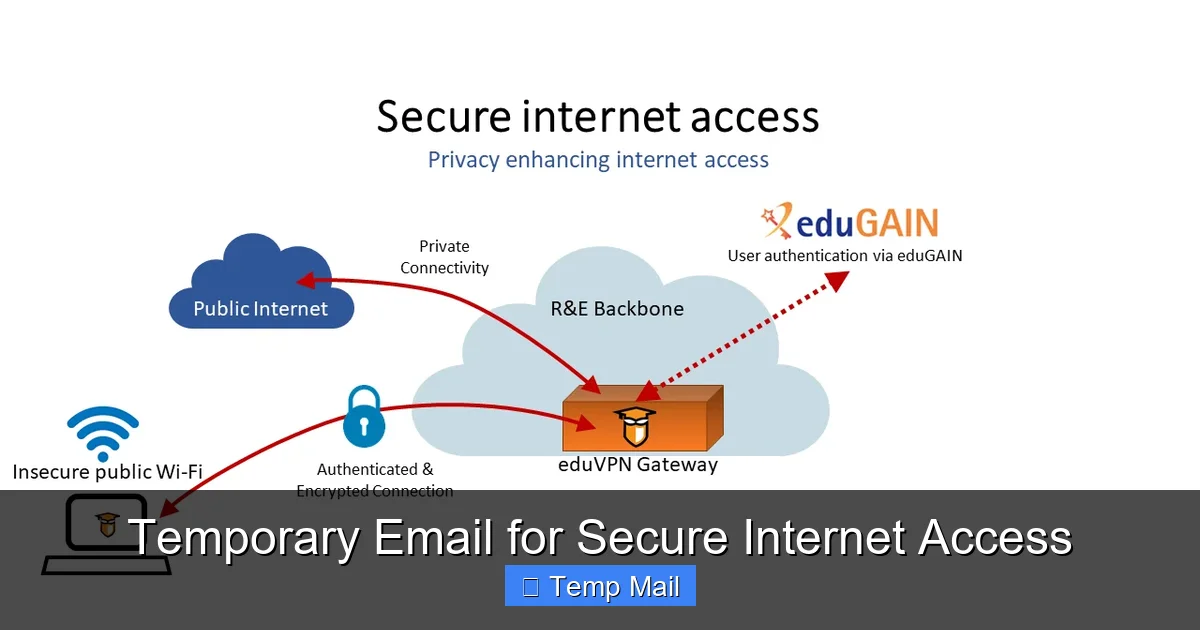
Visual guide about Temporary Email for Online Shopping Signups
Image source: anonymmail.net
Every time you enter your real email on a shopping site, you’re not just signing up for a newsletter. You’re linking that email address to your browsing history on that site, your purchase history, your location (via IP), and your interests. This profile is often shared or sold to third-party advertising networks. Even if you trust the retailer, their security might be breached. A temporary email severs this link at the source. The retailer gets an email that works for confirmation, but it can’t be tied back to your identity or your main communication channel.
Who hasn’t seen a pop-up offering 15% off your first order in exchange for email signup? It’s a powerful incentive. A temporary email lets you take advantage of these instant discounts without the dread of future spam. You get the code, use it for your purchase, and the promotional relationship effectively ends when the temp inbox expires. No need to meticulously hunt for an “unsubscribe” link months later.
Using this tool is remarkably simple, but following a clear process ensures you don’t miss important information.

Visual guide about Temporary Email for Online Shopping Signups
Image source: frictionlessco.wpengine.com
Navigate to a reputable temporary email provider website like Temp-Mail, 10MinuteMail, or Guerrilla Mail. These sites are ad-supported but generally safe. Avoid any service that asks you to download software or install extensions from untrusted sources. Upon loading the page, an email address will be automatically generated for you. Copy it.
Proceed to the online store as usual. When prompted for an email during account creation, newsletter signup, or discount code claim, paste the temporary address. Complete the transaction or signup. The store will send a confirmation email or discount code to the address you provided.
Switch back to the temp mail service tab. You’ll see the incoming email appear in the list within seconds. Click on it to open and view the contents. Look for the confirmation link to activate your account or the promo code. This is the most critical step. If you close the browser before doing this, you may lose access to the information.
Use the confirmation link or code as needed. Once you’ve received the necessary information, you can generally close the tab. The inbox will expire on its own. There is no password to remember or account to delete.
If you used the temp email to make a purchase and the store sends only digital receipts to that address, you must retrieve them before the inbox expires. For important orders, consider using your real email for the purchase itself but a temp email for any subsequent marketing newsletters they try to sign you up for during checkout.
Temporary email is a powerful tool, but it’s not a magic bullet for all your privacy needs. Understanding its limitations is key to using it safely and effectively.

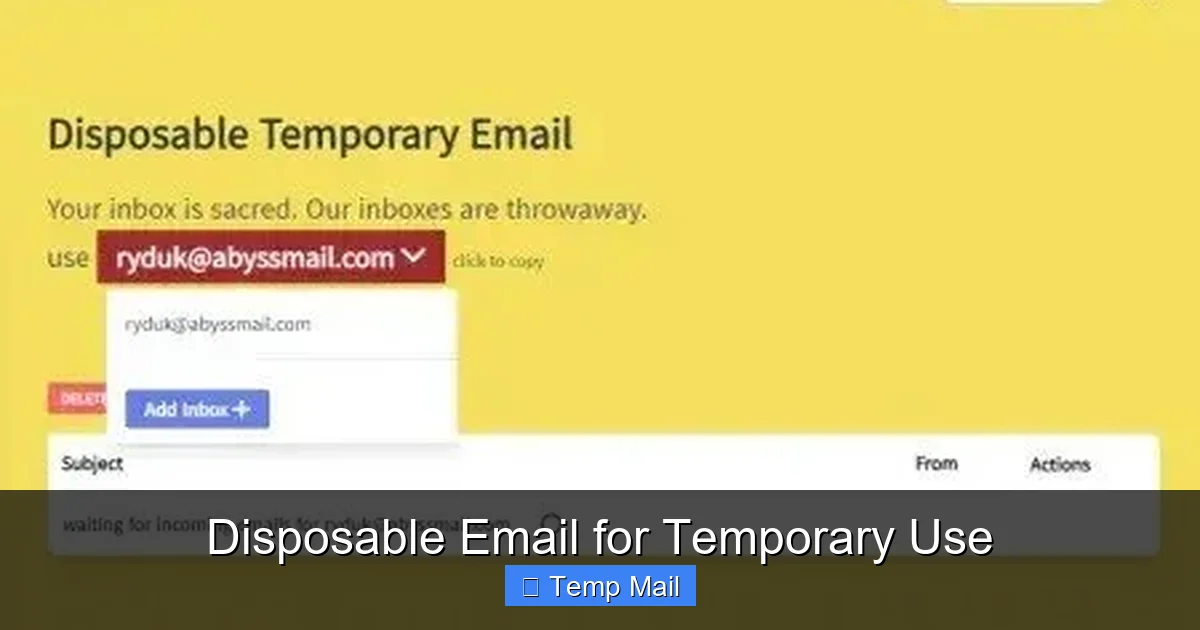
Visual guide about Temporary Email for Online Shopping Signups
Image source: cdn.iphoneincanada.ca
You can receive emails, but you cannot send them from a temporary address. This makes it useless for any situation where you need to communicate back, such as customer service inquiries or forwarding an invoice to someone.
Because there’s no login, anyone with the unique URL to your temporary inbox can see the emails it contains. While the URLs are complex and random, it’s not a secure system. Never use a temp email for sensitive information like password resets for important accounts, bank statements, or legal documents.
This is the cardinal rule. Never use a temporary email for:
If you forget your password for an account tied to a temp email, you will be permanently locked out.
Some larger e-commerce platforms and SaaS companies actively block known temporary email domains to prevent fraud and abuse. If your temp email is rejected during signup, you’ll need to try a different provider or use your real email. This is a cat-and-mouse game; new temp domains pop up, and retailers update their blocklists.
To integrate temporary email seamlessly into your online routine, follow these practical tips.
Using a temporary email is a fantastic tactical move, but it’s part of a larger strategy for digital hygiene. Combine it with other practices for maximum effect. Use a password manager to create unique, strong passwords for every site. Review app permissions on your devices and social media accounts. Be mindful of what data you voluntarily give away during checkout—do you really need to provide your phone number or birthdate for a simple t-shirt purchase? Often, those fields are optional. The goal is to minimize your data exhaust. A temporary email addresses one major exhaust port—your contact information—giving you more control over who can reach you and when.
The next time you hesitate to sign up for that 20% off coupon because you dread the ensuing weekly emails, remember the temporary email. It’s a free, no-hassle solution that puts you back in the driver’s seat. It won’t solve all online privacy issues, but it’s one of the easiest and most effective steps you can take to declutter your primary inbox and reduce the personal data trail left behind with every online purchase. By consciously choosing when and where to use your real email, you transform your inbox from a marketing free-for-all into a space for what truly matters. Give it a try on your next shopping spree—your future, less-spammed self will thank you.
Yes, it is completely legal. These services operate within data protection laws. It is safe for receiving non-sensitive information like promotional codes and newsletters, provided you use a reputable provider. However, it is not safe for secure, private communications.
You absolutely will, but you must check the temporary inbox before it expires. The order confirmation and shipping updates will be sent to the address you provided at checkout. If the inbox self-destructs before you view them, you will lose those important notifications.
Technically, you can try, but it’s not advisable. Major platforms often block disposable email domains to prevent fraud. Even if it works initially, you will be unable to recover your account if you forget your password, as the reset email would go to an expired address. Use your real email for accounts involving purchases, history, and value.
This varies by provider. Reputable services state they do not log or sell the content of emails, but the emails are technically public on their server during the active session. Always use well-known, reviewed services and assume any email sent to a temp address could be viewed by the service provider. Never send sensitive personal data.
The lifespan varies by service. Some offer 10-minute mail for very quick confirmations. Others provide 1-hour, 3-hour, or 24-hour inboxes. Some allow you to extend the time manually. Always check the countdown timer on your specific service.
The verification link will become invalid once the inbox is deleted. You will be unable to complete the account activation or claim the offer. This is why it’s crucial to complete the verification process immediately after signing up, while the temporary inbox is still active and accessible.
অনলাইন নিউজপেপার থিম। এই থিমটি দিয়ে আপনারা বাংলা এবং ইংরেজি নিউজপেপার সাইট তৈরি করতে পারবেন । বার্তা ও বাণিজ্যিক কার্যালয়: ৭১, মতিঝিল, ঢাকা-১০০০। সম্পাদক : মো আসাদুজ্জামান আমানউল্লাহ । মোবাইল : ০১৭০০-০০০০০০ । ইমেইল : [email protected] ।
All rights reserved © 2019 themesdealer.Com