Image for Temporary Email for Safe Online Trials



Your primary email address is a goldmine for marketers and a target for spam. When you sign up for “free trials” online, you often hand over this valuable asset without thinking. A temporary email acts as a protective shield, allowing you to explore software, services, and promotions risk-free. It safeguards your identity, keeps your main inbox pristine, and puts you back in control of your digital footprint.
You see it everywhere: “Start your 30-day free trial!” “Get instant access with your email!” The promise is enticing—a chance to test-drive premium software, a streaming service, or a sophisticated tool without paying a dime. It feels like a no-brainer. You type in your email address, click “sign up,” and the digital door swings open. But what happens in the next 30 days, and what happens to your email after?
The unspoken transaction is this: you are trading your primary email address for temporary access. That email, the one you use for banking, family, and your job, is now in the hands of the trial provider. Their database, their marketing team, and potentially, their security vulnerabilities. The “free” trial often comes at the hidden cost of your privacy and inbox peace. This is where the strategic use of a temporary email for safe online trials becomes not just smart, but essential for the modern, privacy-conscious digital citizen.
Your primary email is your digital identity anchor. It’s linked to password resets, financial accounts, and personal communications. Using it for a low-stakes trial is like using your master key to open a random, unvetted door. The risks are real:
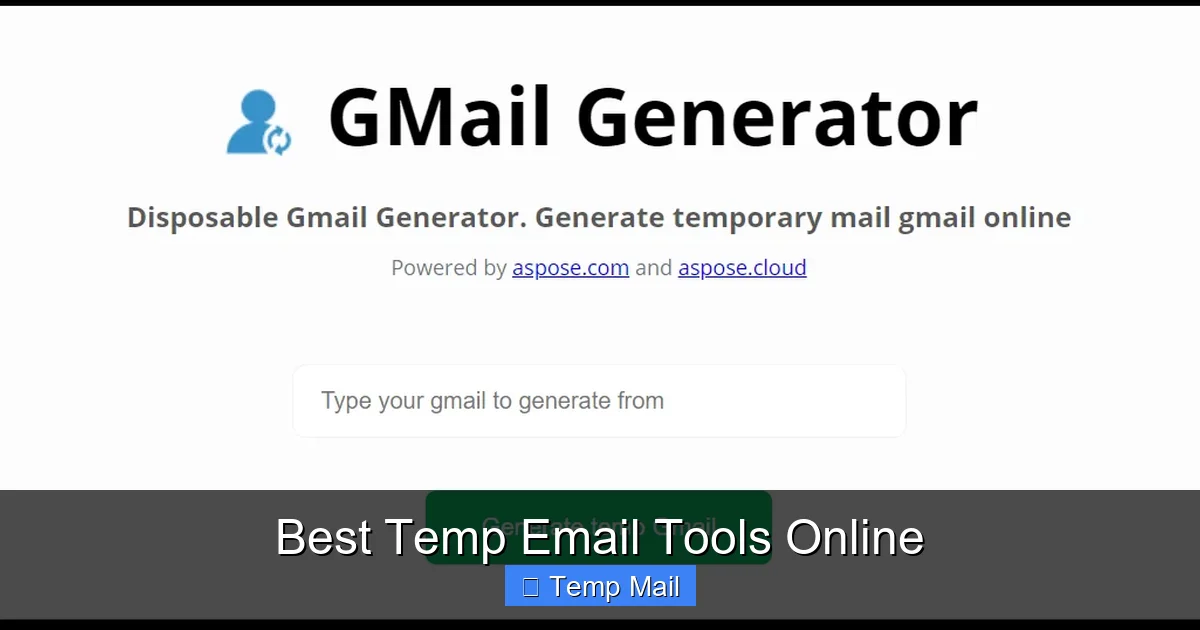
A temporary email service (also called disposable or throwaway email) provides you with a random, public inbox address that exists for a short period—typically 10 minutes to a few hours, sometimes longer. You don’t register an account; you simply visit the website, and an address like [email protected] is generated for you instantly. That’s it.
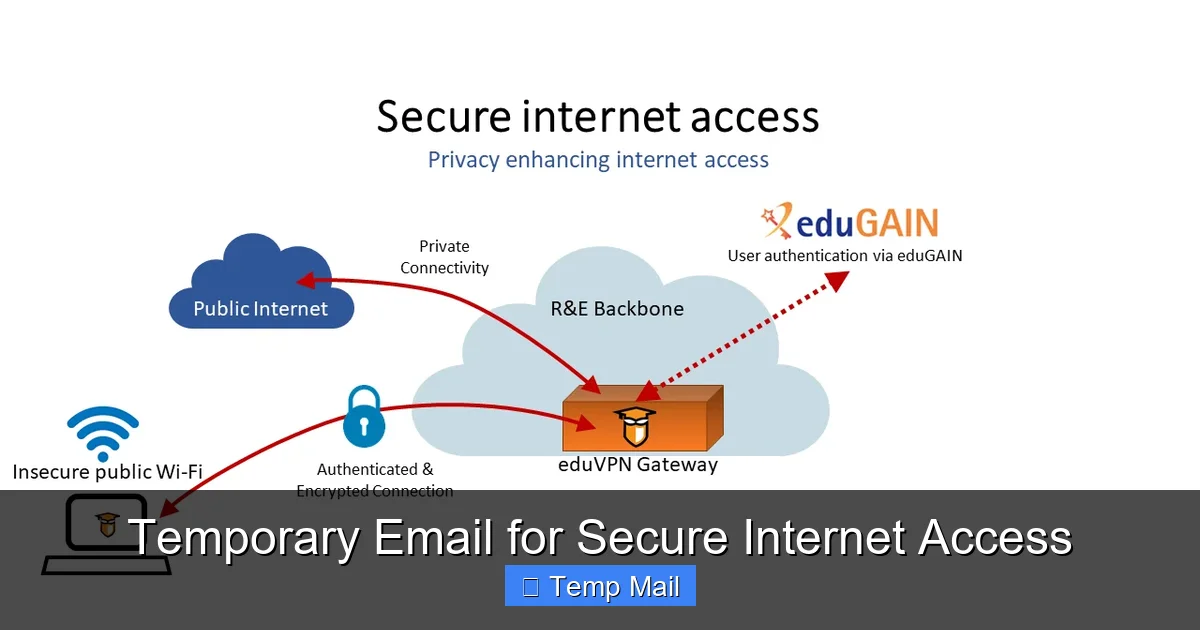
Visual guide about Temporary Email for Safe Online Trials
Image source: atempmail.com
Here’s the step-by-step flow for using one during a trial:
There is no linkage back to your real identity. The trial provider sees a valid, functioning email address but has no way to tie it to “you” beyond the data you voluntarily input during the trial (like a username).
Using a disposable email for free trials isn’t about being paranoid; it’s about being prudent and in control. The benefits extend far beyond just avoiding spam.
Visual guide about Temporary Email for Safe Online Trials
Image source: temporary-email.net
This is the core advantage. Your real name, your primary email, and your long-term digital identity remain completely separate from the trial service. You can test a competitor’s tool, a niche software, or a service with a controversial reputation without any digital footprint connecting that activity to your main accounts. For journalists, researchers, or anyone needing to investigate services discreetly, this is invaluable.
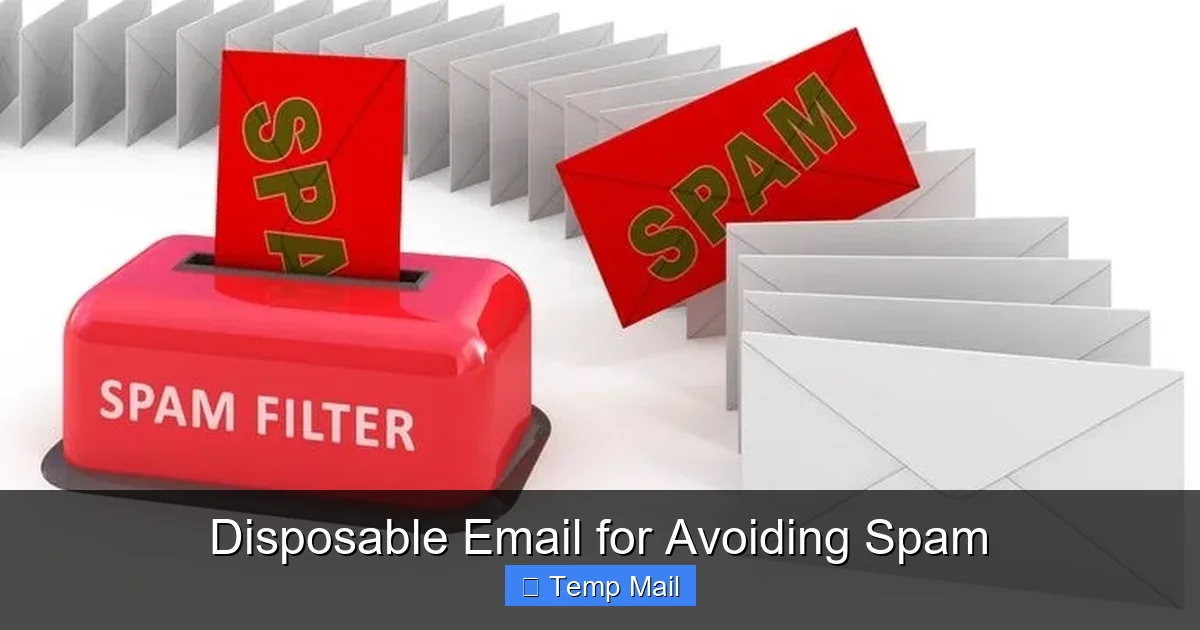
Imagine your primary inbox as your living room. A temporary email is the back door used by delivery people and salesmen. All the unwanted flyers, promotional catalogs, and “limited-time offer” emails go to the back door (the temp inbox), which is emptied regularly. Your living room (main inbox) stays clean, serene, and reserved for the people and communications you actually care about. This dramatically reduces inbox fatigue and the time spent managing unwanted subscriptions.
How many times have you avoided signing up for a potentially useful trial because you didn’t want the hassle of yet another subscription to cancel later? With a temp email, that hesitation vanishes. You can test that graphic design tool, that project management app, or that language learning platform with zero commitment anxiety. If you don’t like it, you simply walk away. There’s no “account” to delete, no subscription to cancel that might have a tricky cancellation process. The risk is entirely on the provider’s side to impress you.
In an era of constant data breaches, minimizing your “attack surface” is key security hygiene. Every account you create is a potential entry point for hackers if that service is compromised. By using a disposable email for low-value, non-critical trials, you ensure that a breach at that specific service does not expose your primary email address. This breaks the chain of credential stuffing attacks, where hackers use email/password pairs from one breached site to try logging into more important sites like your email or banking.
While the focus is on “safe online trials,” the utility of a temporary email is beautifully versatile. Think of it as your universal key for any online interaction where you want to receive a one-time piece of information without establishing a relationship.
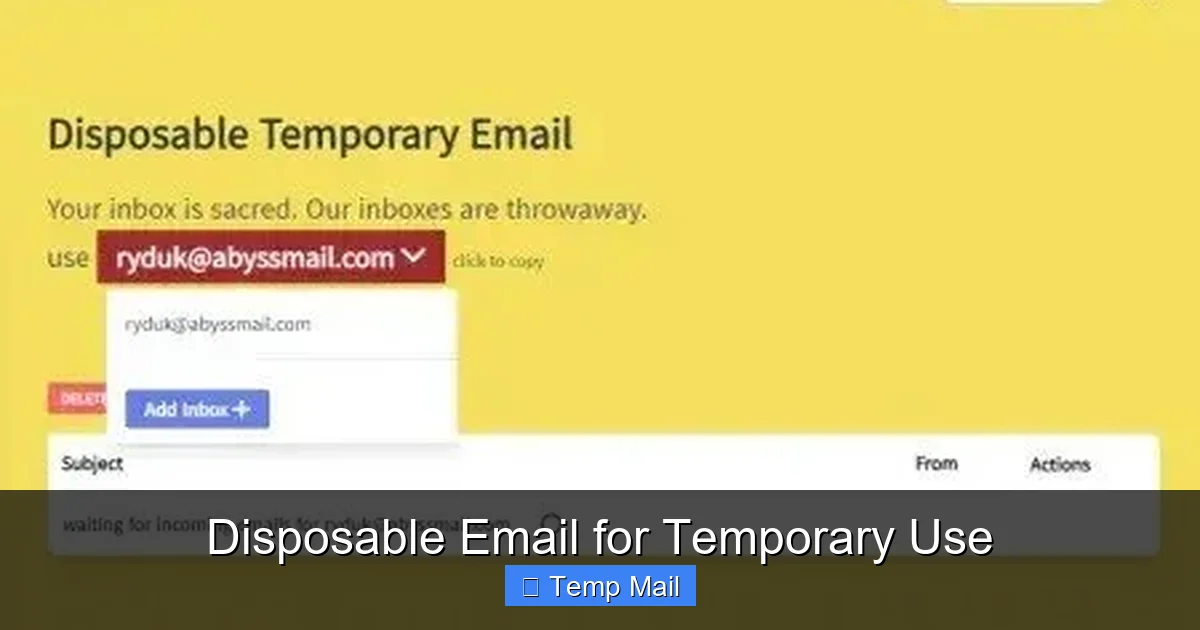
Visual guide about Temporary Email for Safe Online Trials
Image source: northstar.church
This is the bread and butter:
Many blogs and resource sites ask for your email to access an e-book, whitepaper, or template. Using your real email here just gets you on their marketing list. A temp email lets you download the resource instantly and anonymously, with zero follow-up.
Saw a “sign up for our newsletter to get 15% off” offer? Use a temp email to grab the coupon code. You get the discount; your primary inbox avoids the perpetual newsletter.
Want to ask a question on a niche forum or Reddit community that requires an account? A temporary email lets you participate without creating a permanent, traceable profile linked to your main identity.
Developers and QA testers use temp emails constantly to create multiple test accounts for the same service, simulating different users without managing hundreds of real email accounts.
Not all temp mail services are created equal. While they all share the core function, differences in usability, security, and features matter. Here’s what to look for:
Steer clear of services that:
Popular, reputable options in the space include Temp-Mail, 10MinuteMail, and Guerrilla Mail. Always do a quick check for recent reviews to ensure the service is still operational and secure.
To get the most out of a temporary email for safe online trials while avoiding pitfalls, follow these guidelines.
Temp mail is perfect for transactional, one-off interactions: getting a download link, verifying a trial account, accessing a single piece of gated content. It is not designed for long-term communication, account recovery, or any service where ongoing access and identity are important.
Never, ever use a temporary email for:
Understand that the inbox is temporary. If you need to access a trial service a week later, you cannot use the same temp email. For longer trials (e.g., 30 days), you have two options: 1) Use a temp mail service that offers longer lifespans (some offer 24-hour or 7-day mailboxes), or 2) Accept that you may need to create a dedicated “spam” email address with a free provider like Gmail for longer-term trials, and use that consistently for such purposes.
While the trial provider cannot see your real email, your IP address and browser fingerprint are still visible to them and to the temp mail service. For illegal activities, law enforcement can subpoena the temp mail provider’s logs (if they keep them) to trace an IP address. For normal privacy-conscious use, this is not a concern, but it’s important to understand the limits.
For maximum privacy during a trial, use your temp email in conjunction with:
If you are in the middle of a trial and need to verify an email, you must have the temp mail service’s tab open. Bookmark the provider’s site so you can easily return to your active inbox if you navigate away.
The “free trial” model is a cornerstone of the modern digital economy. It allows us to make informed purchasing decisions and experience products before we commit. However, the hidden cost—the erosion of our privacy and the pollution of our primary inbox—is a price too many of us pay unwittingly. Adopting the simple habit of using a temporary email for safe online trials is a powerful act of digital self-defense. It’s a small step that yields an immediate, tangible benefit: a cleaner inbox and greater peace of mind.
This practice puts you, the user, back in the driver’s seat. You get to explore the vast digital marketplace without leaving a trail of breadcrumbs that leads directly to your front door. You get to say “yes” to trying new things without silently saying “yes” to a lifetime of marketing emails and data profiling. In a world where our attention and our data are constantly commodified, tools that offer simplicity and control are not just useful—they are necessary. So next time you see that enticing “Free Trial” button, pause. Open a new tab, generate a temporary email, and step into the trial with confidence, knowing your primary identity remains safely yours.
Yes, absolutely. Using a disposable email address is perfectly legal. It is simply the use of an email service that does not require long-term registration. The legality concerns would only arise if you used the temp mail for fraudulent activities, which is unrelated to the act of signing up for a trial itself.
Yes, some advanced platforms actively maintain blocklists of known disposable email domains to prevent abuse and fraud. If your temp email domain is on such a list, the sign-up may be rejected. In this case, you can try a different temp mail provider or a different domain from the same provider.
Security varies by provider. Reputable services use HTTPS encryption to secure the connection to their site, so your inbox content is safe in transit. However, the inboxes themselves are inherently public. Anyone with the exact inbox URL could, in theory, view the emails if they found it. Therefore, you should never receive sensitive information like passwords, financial data, or private documents to a temp email. It is secure for its intended purpose: receiving trial verifications and promotional content.
>When the inbox timer expires or you close the session (depending on the service), the inbox and all its emails are permanently deleted from the provider’s servers. There is no way to recover that address or its contents. This is the core “disposable” feature.
No, and you should never try. Since the email address vanishes, you will be permanently locked out of that account the moment you need to reset a password or recover access. Always use a permanent, accessible email for any account where you might need to log in again in the future.
The main downside is the ephemeral nature. If you fall in love with a service during the trial and want to convert to a paid subscription, you will need to change the email address on the account to a permanent one before the trial ends. Some services also make it difficult to change the primary email, so you must check their policy. Additionally, as mentioned, some sites block known temp mail domains outright.
অনলাইন নিউজপেপার থিম। এই থিমটি দিয়ে আপনারা বাংলা এবং ইংরেজি নিউজপেপার সাইট তৈরি করতে পারবেন । বার্তা ও বাণিজ্যিক কার্যালয়: ৭১, মতিঝিল, ঢাকা-১০০০। সম্পাদক : মো আসাদুজ্জামান আমানউল্লাহ । মোবাইল : ০১৭০০-০০০০০০ । ইমেইল : [email protected] ।
All rights reserved © 2019 themesdealer.Com