Image for Temporary Email for Safe Website Testing



Testing websites with your personal email is a recipe for spam and privacy risks. A temporary email provides a disposable, secure address that shields your real identity and inbox. It’s the essential tool for developers, QA testers, and everyday users who want to explore new platforms without long-term commitment or data leakage. By using a temp mail service, you create a clean, throwaway layer of protection for all your website sign-ups and verifications.
Have you ever hesitated to sign up for a new website, app, or online tool because you didn’t want to hand over your primary email address? That little voice of caution is spot-on. Every time you use your personal or work email to test a service, you’re potentially opening the floodgates to spam, data mining, and security headaches. This is where a powerful, simple tool comes into play: temporary email. It’s not just for avoiding newsletter sign-ups; it’s a fundamental instrument for safe website testing, whether you’re a professional developer, a quality assurance (QA) analyst, or just a curious internet user.
Think of temporary email as your digital disposable glove. You put it on to handle something messy or unknown, and then you toss it away without contaminating your hands. In the online world, that “messy” thing is a website’s registration process, a beta test, or a service you’re skeptical about. This guide will walk you through everything you need to know about using temporary email for safe website testing. We’ll cover how it works, why it’s critical for privacy, a step-by-step guide on using it effectively, common pitfalls to avoid, and how to choose the right service. By the end, you’ll be equipped to test any website confidently, keeping your real identity and inbox perfectly safe.
Before diving into testing strategies, let’s clarify what a temporary email service actually is. At its core, it provides you with a random, unique email address that exists for a very limited time—usually anywhere from 10 minutes to 48 hours. These addresses are not tied to any personal information. They are generated on the fly by the service’s servers and receive emails sent to that specific address. Once the time limit expires, the address and all its received messages are permanently deleted from the system.
These services operate on a simple but clever principle. When you visit a site like Temp-Mail.org or 10MinuteMail.com, their system instantly generates a random inbox address (e.g., [email protected]) and presents it to you. This address is stored in their temporary database. When a website sends a verification email to that address, the service’s servers intercept it, store it in the specific temporary inbox, and display it to you on their website or via their app. There is no password and no persistent login; the inbox is accessible simply by keeping the browser tab open or via a unique, temporary URL. The entire system is designed for ephemeral use, with automatic cleanup scripts purging old inboxes constantly.
You might hear terms like “disposable email,” “throwaway email,” and “temp mail” used interchangeably, and for the most part, they describe the same concept. However, it’s worth distinguishing this from “email aliasing.” An alias (like those offered by services such as SimpleLogin or Firefox Relay) forwards emails to your primary inbox. You maintain control and can revoke the alias later. A true temporary email is a dead-end. It receives mail for a short window and then vanishes completely. For safe website testing, where you want zero long-term connection, the disposable model is the gold standard.
Now we get to the heart of the matter. Why can’t you just use your Gmail or Outlook address for testing? The risks are significant and often underestimated. Using your primary email for website testing is like using your home address to receive a mysterious package from an unknown sender—it creates a permanent record and a direct link to you.

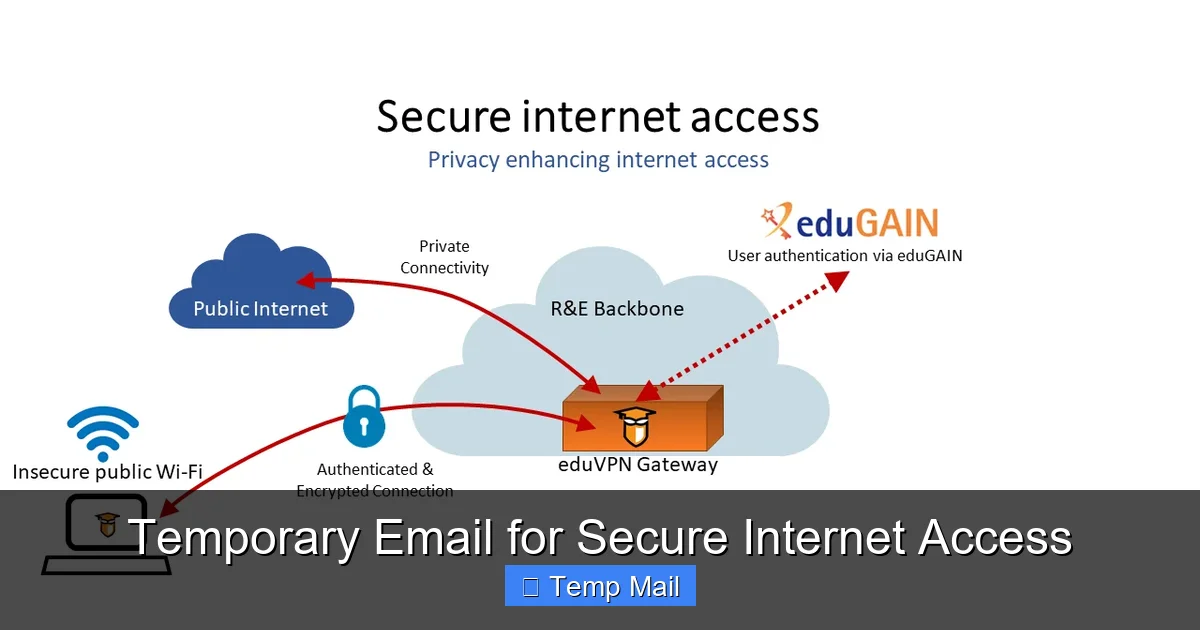
Visual guide about Temporary Email for Safe Website Testing
Image source: res.cloudinary.com
The most obvious consequence is spam. That free trial you signed up for? The company will likely add your email to its main marketing list. Even if you unsubscribe, your address is now in their database, which can be sold or leaked in a data breach. Data brokers compile these email addresses into massive databases, linking them to your online behavior and potentially selling that profile to advertisers or worse. Using a temporary email for safe website testing ensures that any spam generated goes to an address that will self-destruct, leaving no trace back to your real identity.
Many people reuse passwords, or use slight variations. If you test a low-security or malicious website with your primary email and a common password, and that site is later breached, hackers now have a valid email-password pair. They will try that combination on your social media, banking, and email accounts in a practice called “credential stuffing.” By using a temporary email, you sever this link. Even if the test site is compromised, the attackers only get a disconnected, soon-to-be-defunct email address, not your gateway to your digital life.
For professionals, the need is even more acute. A QA tester might need to create dozens of user accounts on a staging environment to test registration flows, password resets, and notification systems. Using real emails for this is impossible. They need a bulk way to generate valid, deliverable addresses. Temporary email services allow for this at scale. Each test can have its own unique, isolated inbox, ensuring tests are clean, repeatable, and don’t interfere with each other or pollute production user data.
Okay, you’re convinced. How do you actually do it? The process is remarkably simple, but doing it correctly ensures your safe website testing is truly effective.

Visual guide about Temporary Email for Safe Website Testing
Image source: inmotionhosting.com
Start by navigating to a reputable temporary email service. Popular options include Temp-Mail, 10MinuteMail, Guerilla Mail, and Mailinator. For most testing, a web-based service is fine. Look for one that doesn’t require registration, as that defeats the purpose of anonymity. Some services offer browser extensions (like for Chrome or Firefox) which are incredibly convenient, automatically generating a temp address when you click on an email field. Open the site, and you’ll immediately see your new, random email address assigned to you.
Go to the website or web application you need to test. This could be a new SaaS tool, a social media platform, a forum, or an e-commerce site you’re evaluating. Proceed to the sign-up or registration page as you normally would.
Copy the temporary email address provided by your service and paste it into the email field of the website’s registration form. Fill in any other required details (you can use fake but plausible names and passwords for this test). Complete the sign-up process by submitting the form.
Most legitimate services require email verification. After submitting the form, return to your temporary email provider’s tab or window. You should see a new email arrive in your temporary inbox within seconds or minutes. Click on it to view the contents. Inside, you’ll find a verification link or code. Copy the link or code and return to the website to complete the verification. Your test account is now active, and your real email is completely untouched.
You can now log in and explore the website’s features, test user flows, or evaluate the service. Remember, your access is tied to that temporary email address. If you need to use the “forgot password” function, the reset link will go to the temp inbox. Once you’re done testing, simply close the browser tab. The temporary email address will expire according to the provider’s timer (often 10-60 minutes from creation or last use), and all data associated with it is erased. There is nothing for you to delete or clean up.
While the basic process is easy, following these best practices will make your temporary email usage for safe website testing more robust and reliable.

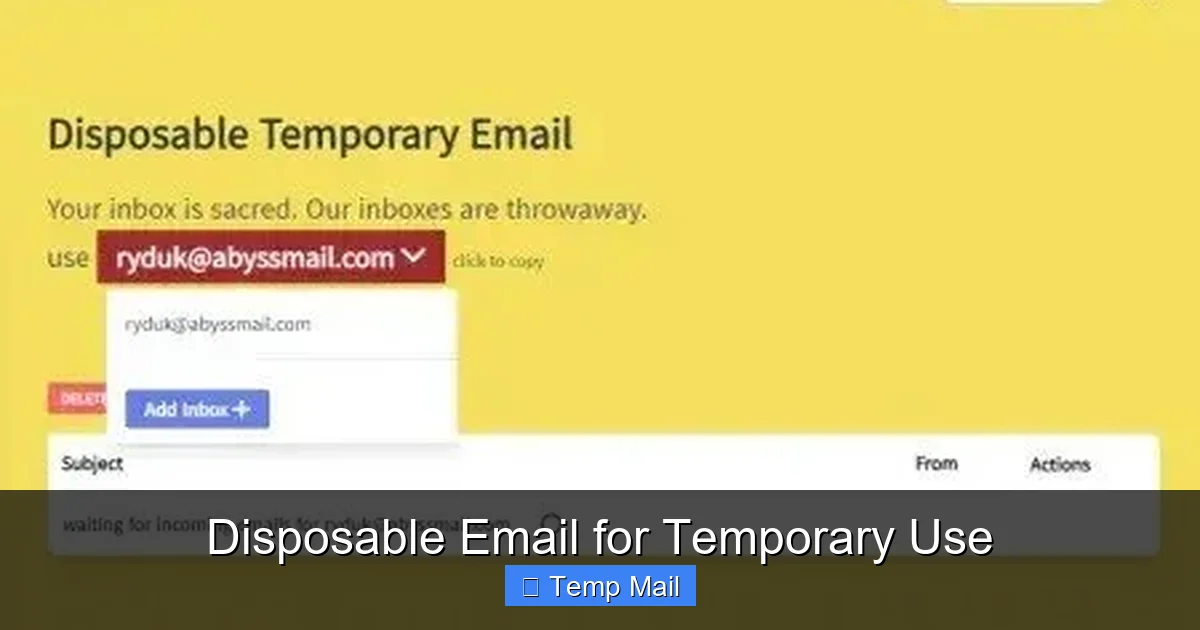
Visual guide about Temporary Email for Safe Website Testing
Image source: safescaffolding.co.nz
Some websites, particularly those concerned with fraud or abuse, maintain lists of known temporary email domains and block them during registration. If you encounter a message like “Please provide a valid email address,” your temp service might be blacklisted. The solution? Have 2-3 different providers bookmarked. If Temp-Mail is blocked, quickly switch to 10MinuteMail or Guerilla Mail and try again. This simple trick bypasses most domain-based blocks.
Not all temporary email services are created equal. Some give you 10 minutes, others 1 hour, and a few may offer 24 or 48 hours. Before you start a complex, multi-step test that might take time (like a lengthy onboarding process), choose a provider with a longer expiration window. You don’t want your inbox to vanish mid-test, locking you out of the account you just created. Many services allow you to “extend” the session by clicking a refresh button, so keep the tab active if you need more time.
Don’t reuse the same temporary email address for multiple website tests. While it’s convenient, it creates a link between all those disparate sites in the temporary provider’s logs (though these are also temporary). For true isolation and to mimic a real user, generate a fresh temp address for each new website or each distinct testing scenario. This is especially important for security testers who need to ensure cross-site contamination isn’t an issue.
If you do frequent safe website testing, install a dedicated browser extension for your preferred temporary email service. These extensions add a button next to email fields in your browser. With one click, they generate a new address, copy it, and sometimes even open the inbox view. This streamlines the workflow from 4-5 clicks down to 1 or 2, making the process almost invisible.
This is the golden rule. A temporary email is for testing, trialing, and accessing non-essential services. Never use it for:
Once the temp email expires, you lose all access. There is no recovery. The website will permanently lock that account. Use it only for services where you are actively exploring and can afford to lose access immediately.
Even experienced users can trip up. Here are common mistakes that undermine the goal of safe website testing with temporary email.
While a temporary email hides your identity from the website you are testing, the temporary email provider itself can see the emails passing through. You are trusting that provider with the content of your test emails. For highly sensitive testing (e.g., testing a confidential business tool), you must use a provider with a clear, strict no-logs policy and ideally one based in a privacy-friendly jurisdiction. For general website testing, standard providers are fine, but it’s not an anonymity tool like a VPN or Tor.
Many websites explicitly forbid the use of temporary email addresses in their Terms of Service (ToS). They do this to prevent spam, fraud, and abuse. If you are testing a paid service or a platform with a community, using a temp mail might violate their rules and get your test account suspended. Always skim the ToS. For a free trial of a reputable service, they often block temp mails. You may need to use a real email for those, but you can still use a dedicated “testing” email address separate from your primary one.
The vast majority of temporary email services are receive-only. You can get emails sent to the address, but you cannot compose and send emails from it. This is by design to prevent spam abuse. If your website testing scenario requires you to send an email (e.g., testing a “invite a friend” feature that sends from your account), a disposable address won’t work. You’ll need a different strategy, like using a secondary, permanent email account dedicated to testing.
Because these inboxes are short-lived, you must check the temporary email provider’s site immediately after signing up for the website. Verification emails often have a 15-30 minute validity window. If you step away and the temp inbox expires before you click the link, you’re locked out of the account you just created, and you can’t recover it. Stay in the flow during your testing session.
The landscape of temporary email is evolving. As websites get smarter at blocking disposable domains, the services adapt. We’re seeing trends like:
To circumvent blacklists, some advanced temporary email providers use AI to generate ever-changing, seemingly legitimate domain names that are hard to systematically block. Instead of @temp-mail.org, you might get @random-word-12345.com, which looks like a real custom domain, slipping past simple filters.
Browsers like Brave and privacy-centric extensions are beginning to offer built-in email masking or temporary address generation as a standard feature. This integrates safe website testing directly into the browsing experience, making it even more seamless and reducing reliance on separate third-party websites.
Forward-thinking providers are implementing end-to-end encryption for the stored emails within the temporary inbox, ensuring that even if their servers were compromised, the email content would remain unreadable. This adds a layer of security for testers who might be accessing sensitive development environments.
Temporary email is not a magic bullet, but it is an indispensable tool in your digital hygiene kit, especially for safe website testing. It provides a crucial buffer between your real identity and the vast, often unvetted, corners of the internet you need to explore. By understanding its mechanics, respecting its limitations, and following best practices, you can test new platforms, validate features, and satisfy your curiosity without sacrificing your privacy or polluting your primary inbox with spam. The next time you see an email field on a website you’re unsure about, remember the disposable glove. Put it on, do your work, and toss it away. Your future self—with a clean, spam-free inbox—will thank you. Adopt temporary email as a standard part of your testing workflow and reclaim control over your digital footprint.
Yes, using a temporary email service is perfectly legal. These services exist to provide privacy and reduce spam. However, you must still comply with the specific website’s Terms of Service, which may prohibit disposable email addresses.
Security varies by provider. Reputable services use HTTPS encryption for access to your temporary inbox. However, since the emails are stored on their servers for a short time, there is a theoretical risk if the provider itself is compromised. For highly sensitive testing, choose a provider with a clear privacy policy and no-logs guarantee. The emails are deleted quickly, minimizing exposure.
A regular alternate email is a permanent account you own and control, often used for recovery or specific purposes. A temporary email is disposable, anonymous, and auto-deletes after minutes or hours. You cannot recover a temporary inbox once it expires, whereas your alternate email is permanent.
Yes, many can. Websites maintain lists of known disposable email domains (e.g., @tempmail.com). If you use an address from one of these domains, the site may block your registration or flag your account. Using a less common provider or one with frequently changing domains can help bypass these blocks.
The account will become inaccessible. If you need to log in again, you cannot because the password reset link would go to the expired inbox. The account essentially becomes orphaned on the website’s side. Some sites may delete inactive accounts after a period, but you will have no way to recover or access it.
Popular and reliable options include Temp-Mail (offers long sessions and custom names), 10MinuteMail (simple and fast), and Guerilla Mail (has a simple web interface). For developers needing bulk addresses, services like MailSlurp or Temp-Mail’s API are excellent. Always test a provider yourself to ensure it meets your speed and reliability needs.
অনলাইন নিউজপেপার থিম। এই থিমটি দিয়ে আপনারা বাংলা এবং ইংরেজি নিউজপেপার সাইট তৈরি করতে পারবেন । বার্তা ও বাণিজ্যিক কার্যালয়: ৭১, মতিঝিল, ঢাকা-১০০০। সম্পাদক : মো আসাদুজ্জামান আমানউল্লাহ । মোবাইল : ০১৭০০-০০০০০০ । ইমেইল : [email protected] ।
All rights reserved © 2019 themesdealer.Com